One of the historical places I visited when I went to Gangneung, Gangwon-do for summer vacation was Ojukheon House.
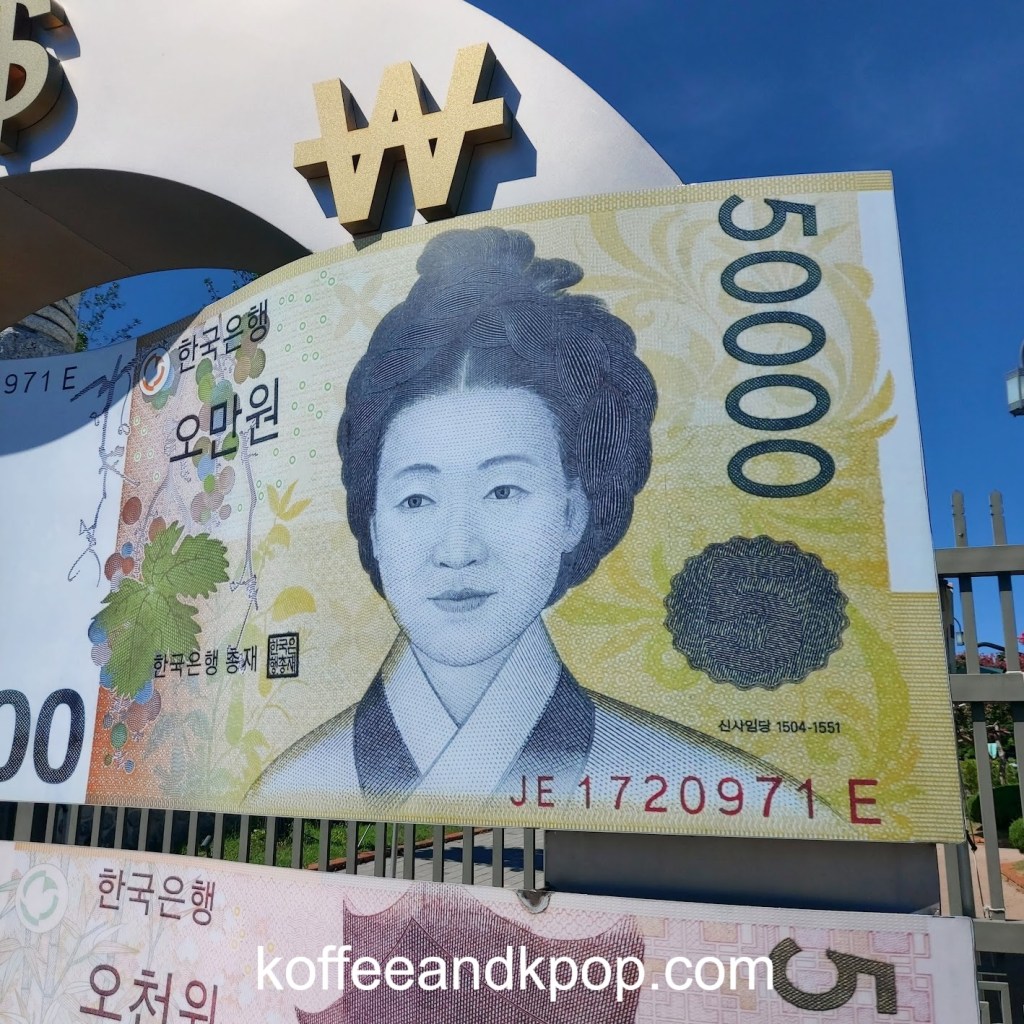
“Ojukheon” refers to the black bamboo that grows on the premises. Ojukheon is where Shin Saimdang gave birth to Yi I (pen name Yulgok) during the Joseon Dynasty. Shin Saimdang is featured on the 50,000 won note and her son is featured on the 5,000 won note. Ojukheon is featured in the background of the 5,000 won note. This is believed to be the first occasion of a mother and son being featured on a country’s currency.
In addition to the Ojukheon House, the Gangneung Money Museum is also part of the complex. I probably spent around two hours walking around the complex, going in and out of buildings that were air-conditioned and had places to sit and bathrooms available, as well as just taking in the hot summer day amidst beautiful historical buildings.
This entry will be photo heavy because I took lots of pictures and have a hard time deciding which ones not to upload. This will also have several parts. This features Ojukheon itself.
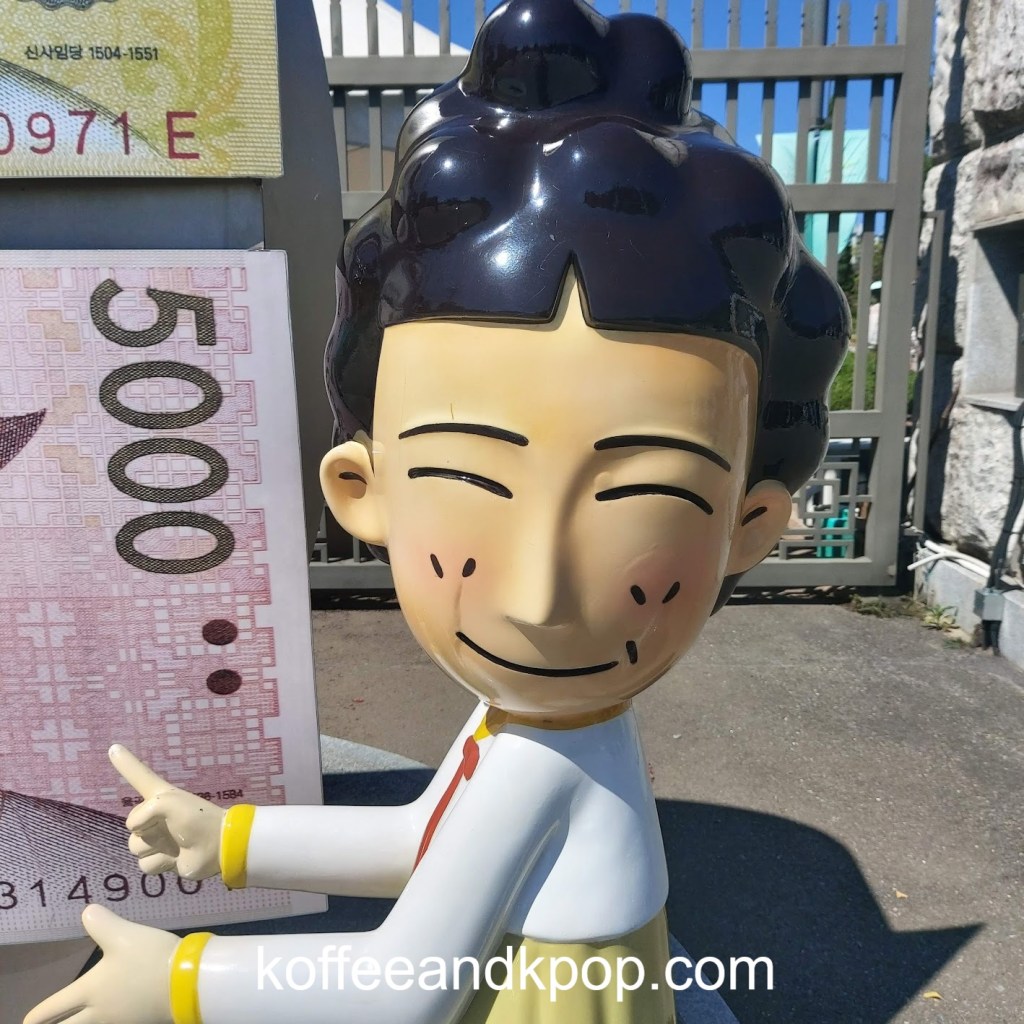
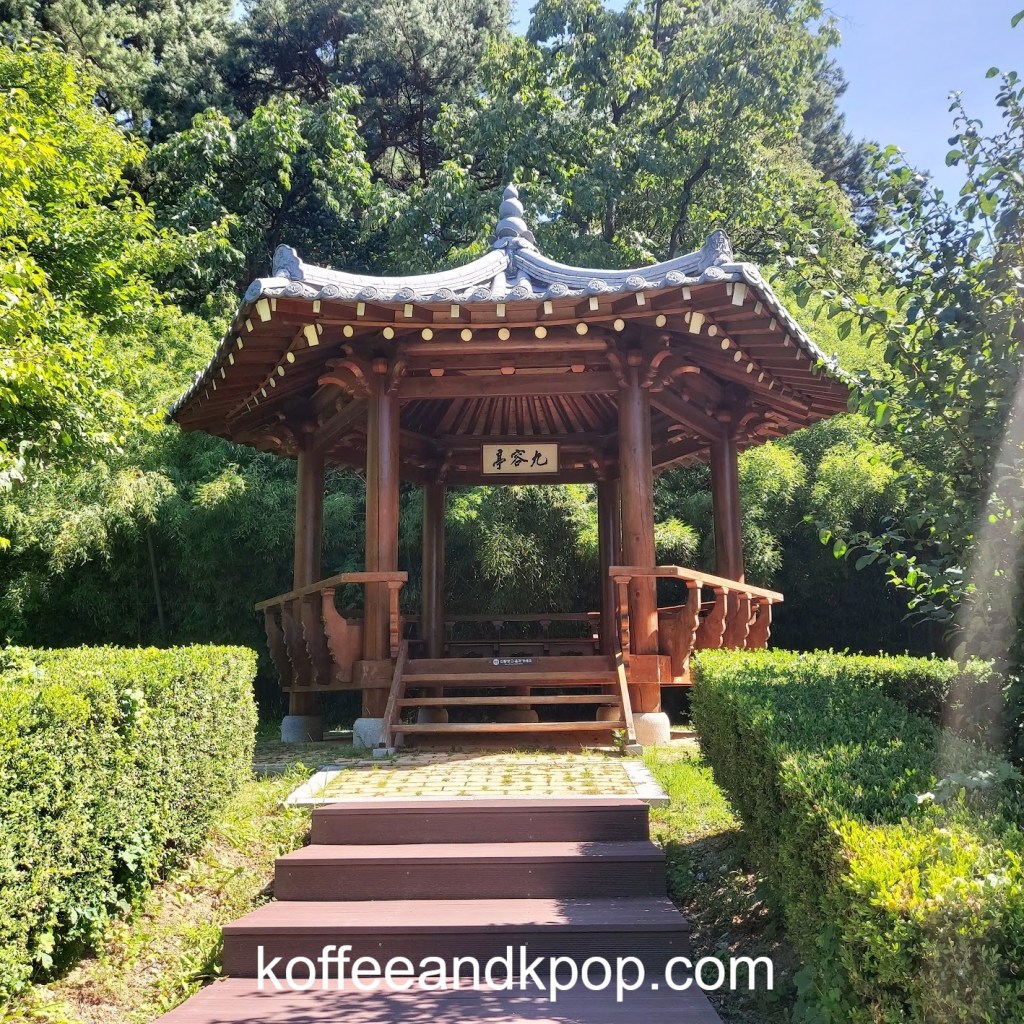
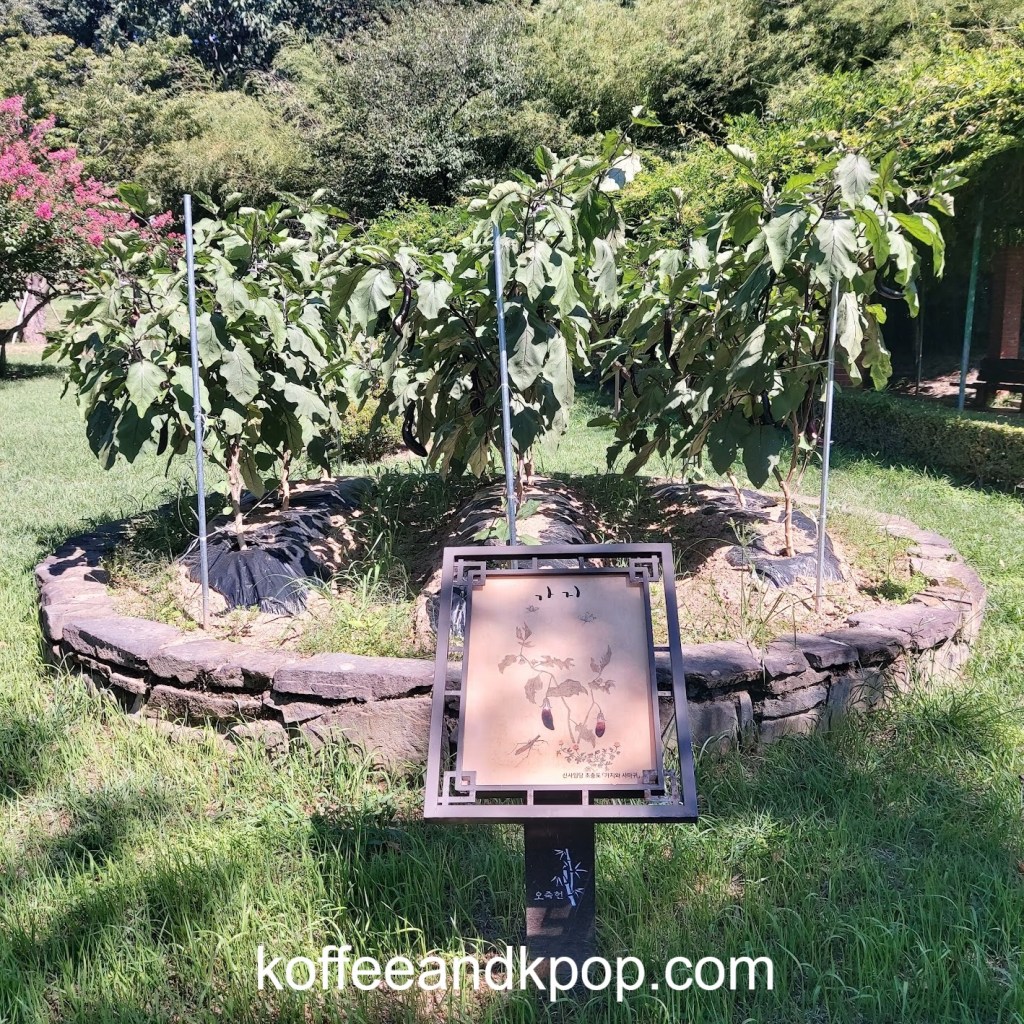
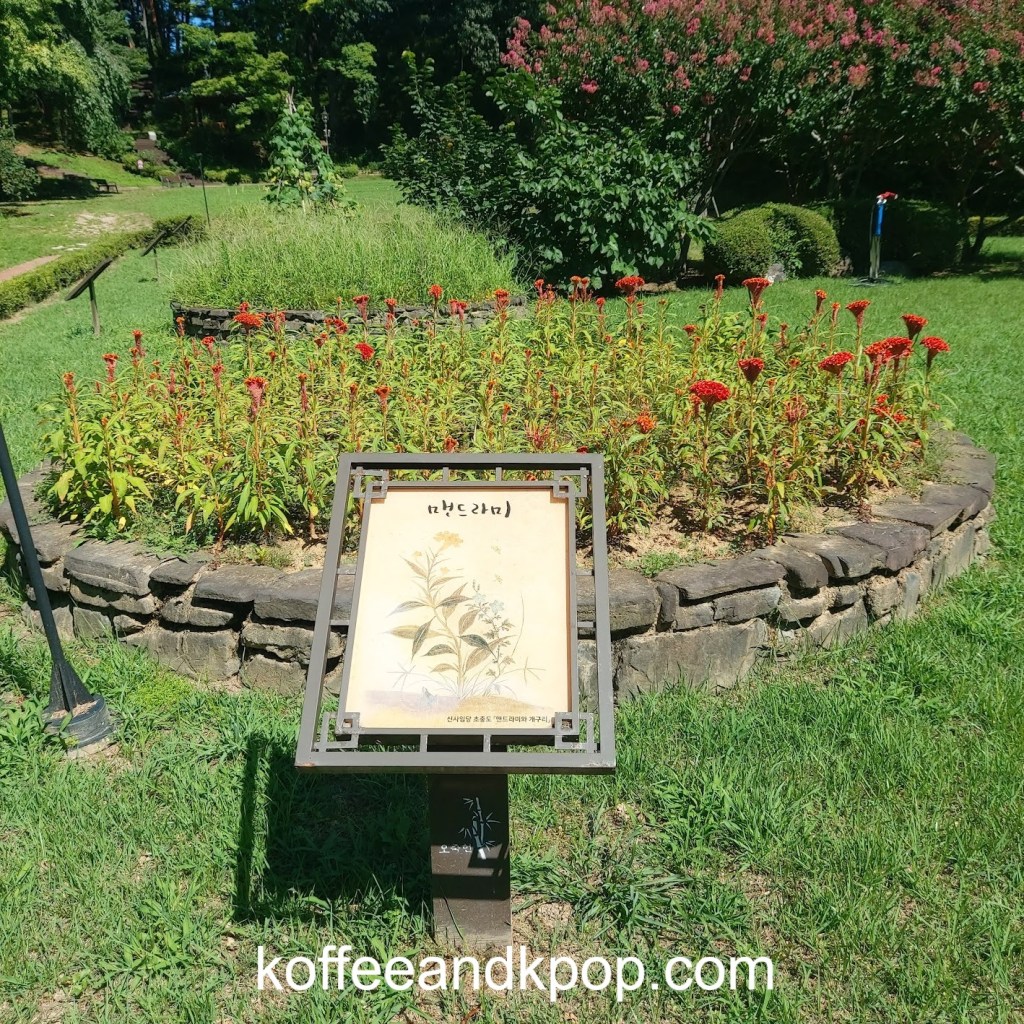
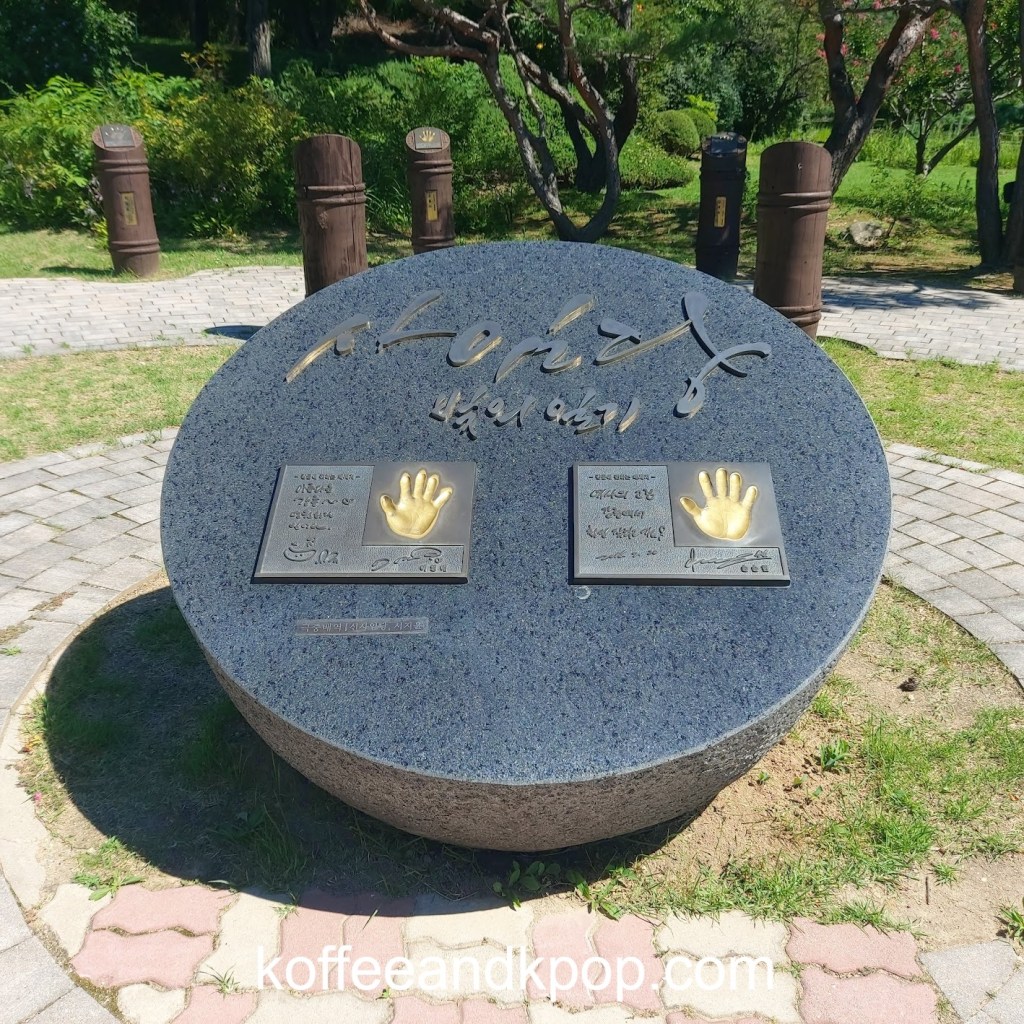
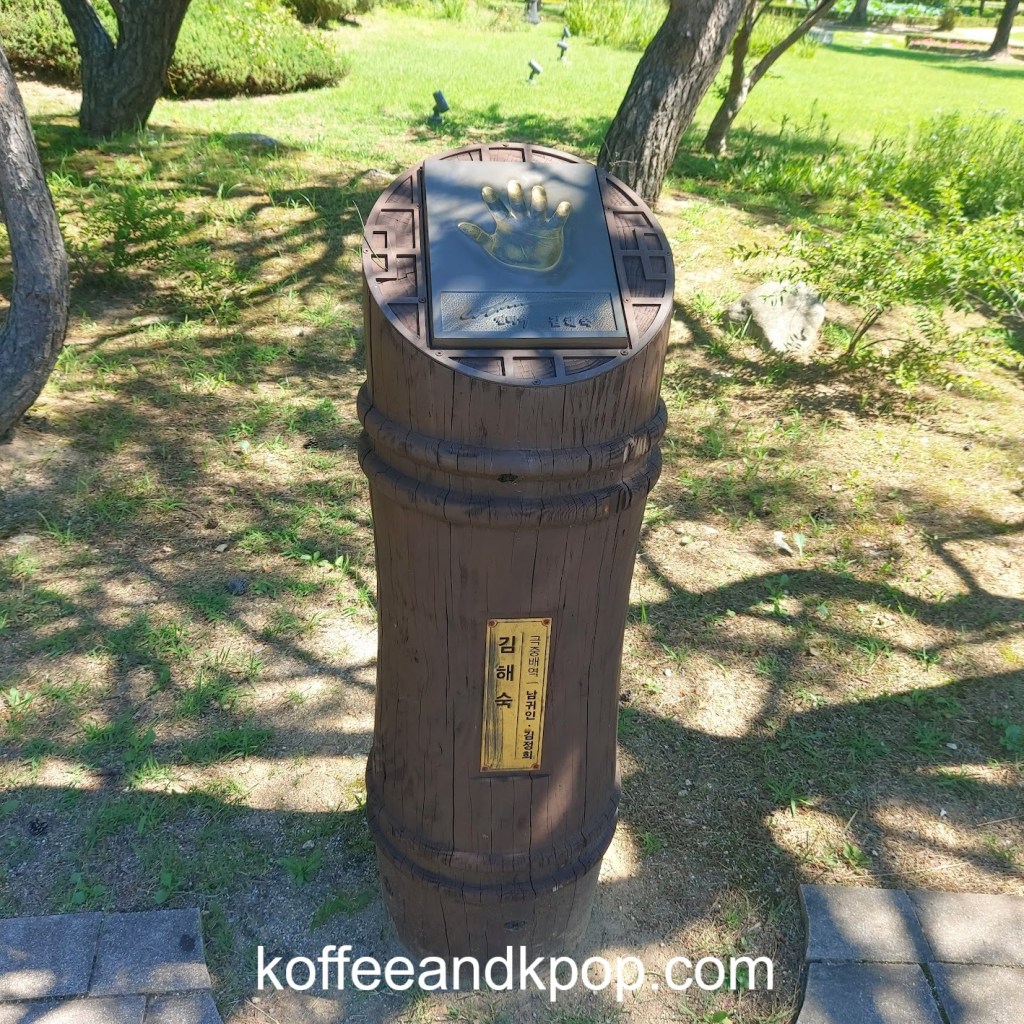
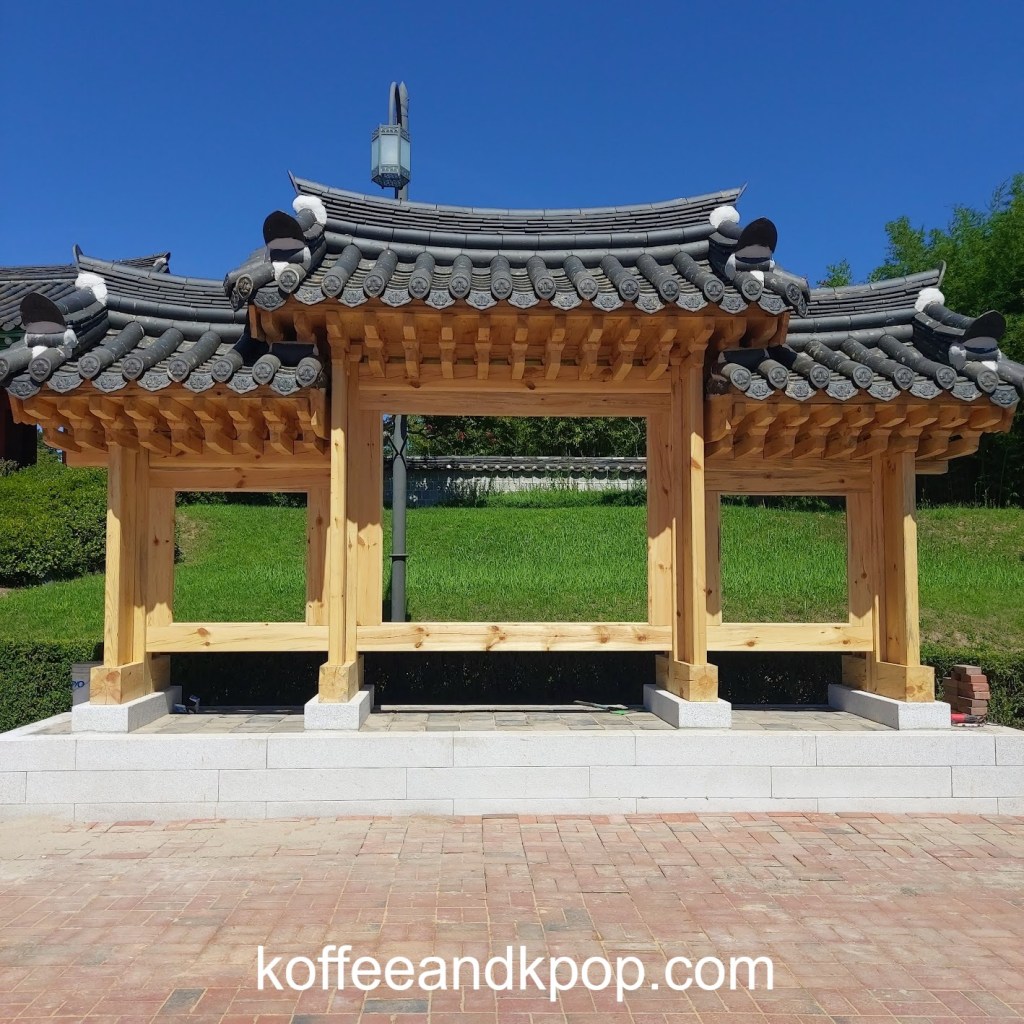
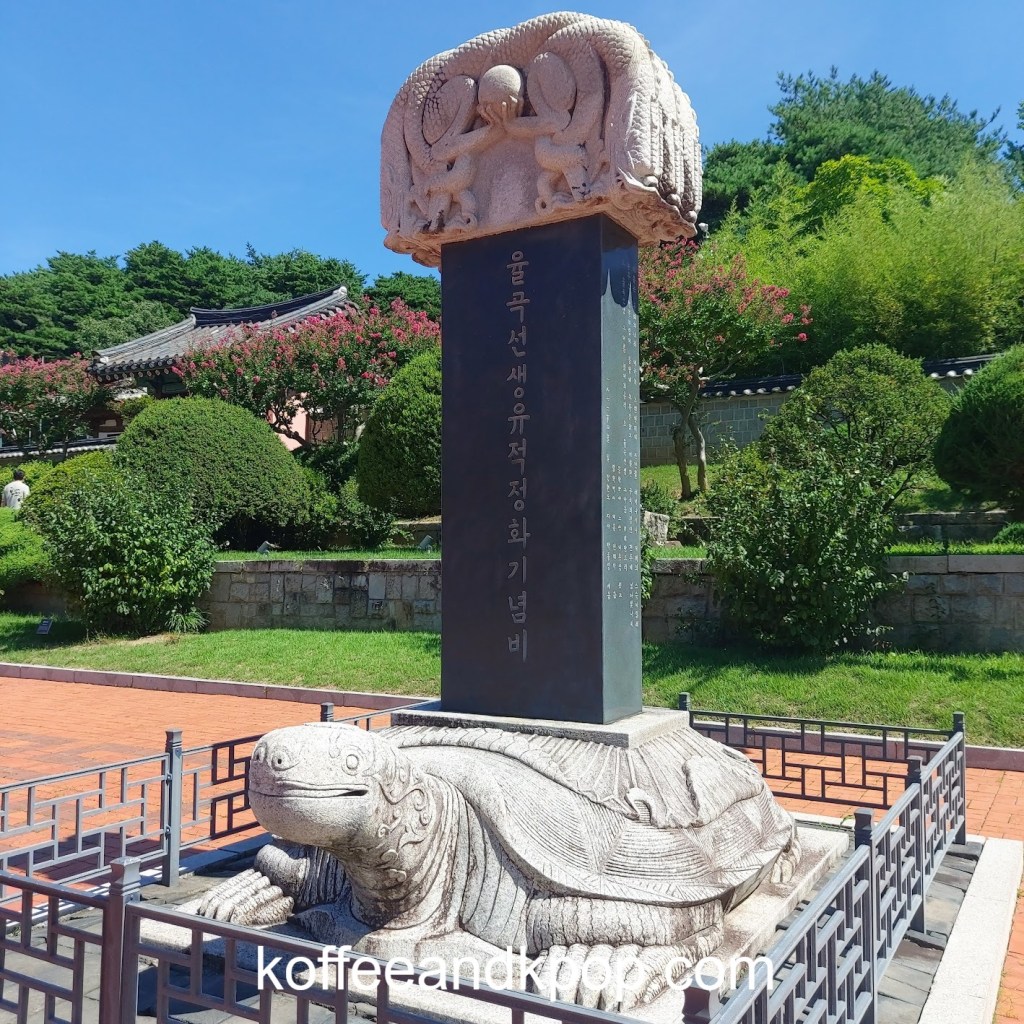
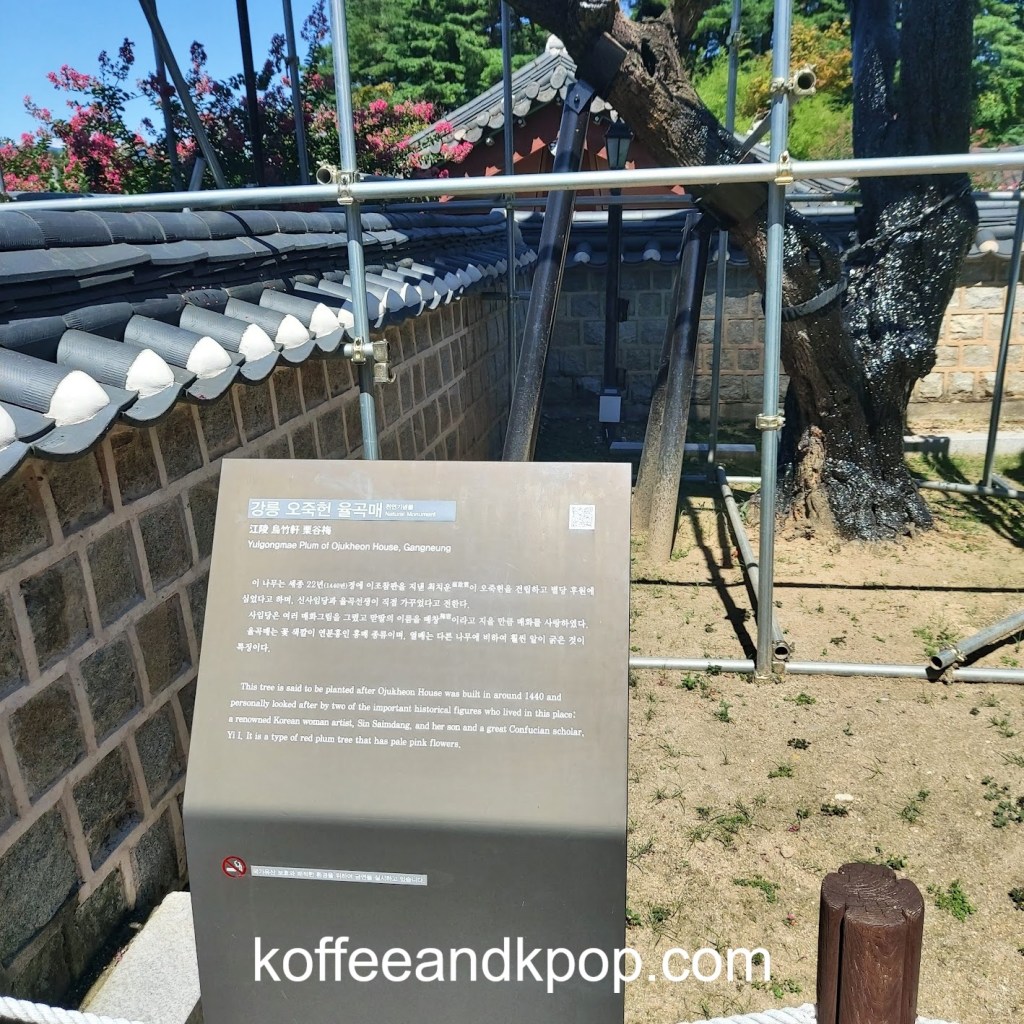
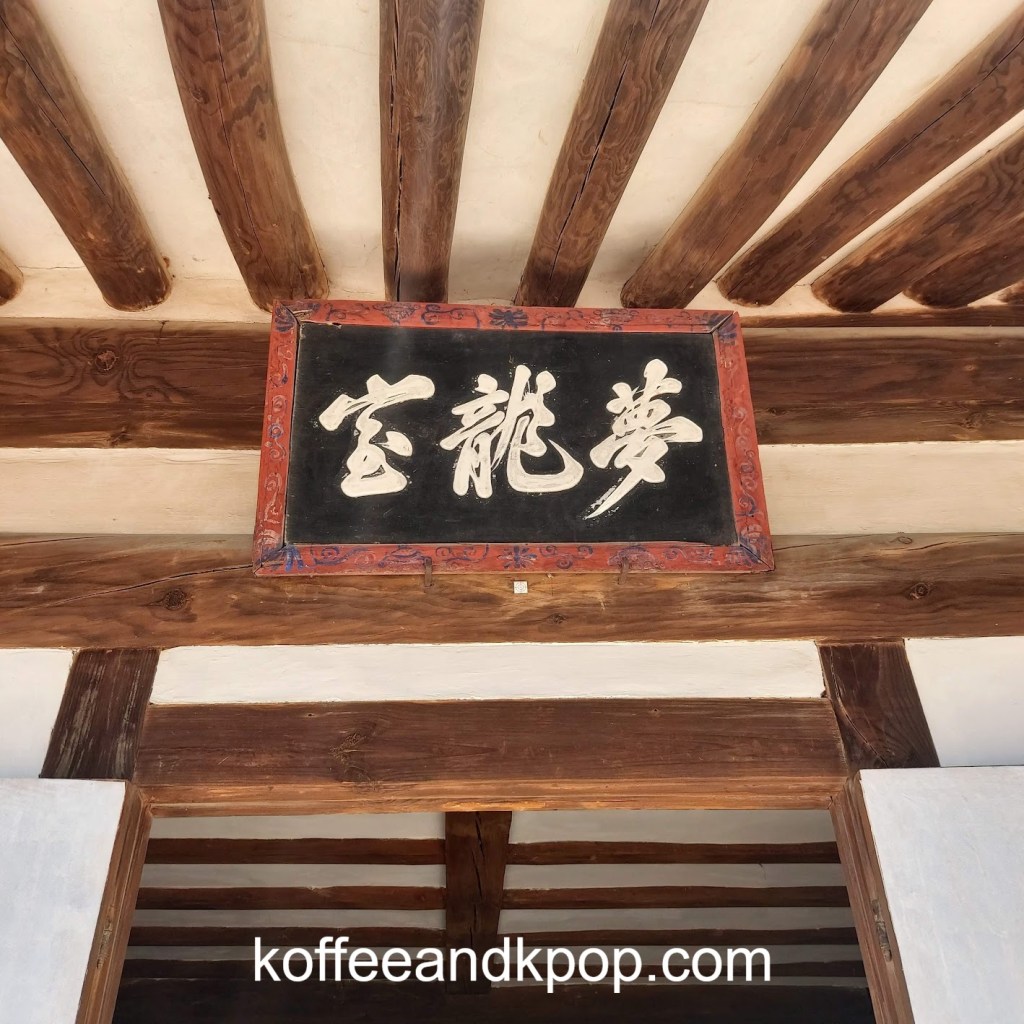
taxi stop outside the complexstatue at the entrance of the complexI’m unsure what this says in HanjaShin Saimdang cartoon characterifiedShin Saimdang on the front of the 50,000 won noteYi I cartoon characterifiedYi I on the front of the 5,000 won notesignagewheelchairs and strollers for rentbeautiful wooden gazebobenches and a stone pagodashaded space to relaxpond with small bridgebehind the paintings are the plants represented in the paintings, done by Shin SaimdangKorean watermelonpainting of a red flowering plantstatue of Yi I holding an open bookclose-up of the statue; on the base it reads “Yulgok Yi I”Google translate: “When you see a gain, think about whether it is right”surrounding this statue were sculptures of black bamboo with similar handprints and names; perhaps scholars of the Joseon Dynasty?example of the black bamboo sculptureblack bamboo sculpturesnew construction, perhaps to showcase how the old buildings were constructedinitial gate to the entrance.5x view of the gateGoogle translate: monument to the purification of the historical sitesunsure of what this is“This tree is said to be planted after Ojukheon House was built in around 1440 and personally looked after by two of the important historical figures who lived in this place: a renowned Korean woman artist, Sin Saimdang, and her son and a great Confucian scholar, Yi I. It is a type of red plum tree that has pale pink flowers.”said tree with protective scaffolding around itinfo about the house; enlarge to readOjukheon Housesign above the room where Yi I was given birthanother view of Ojukheon



















 Koffee & Kpop
Leave a comment