
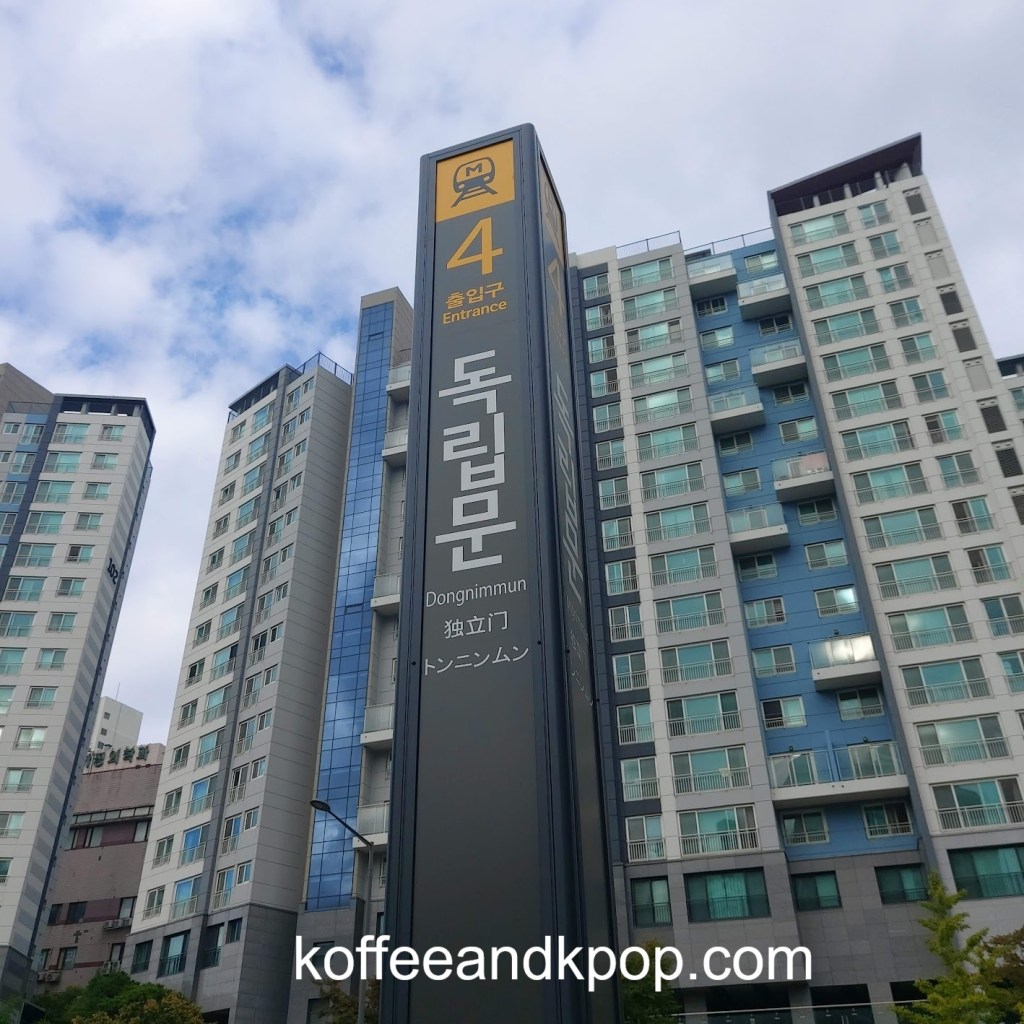
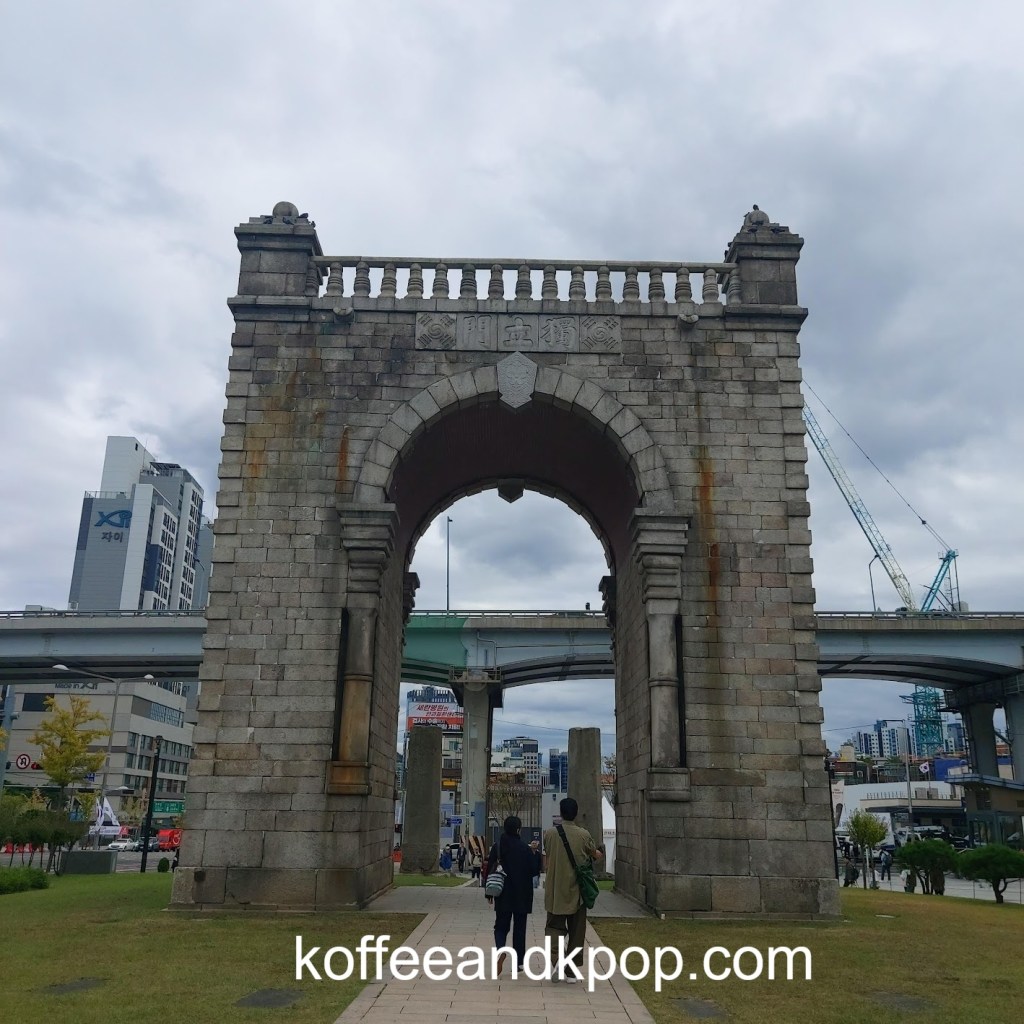
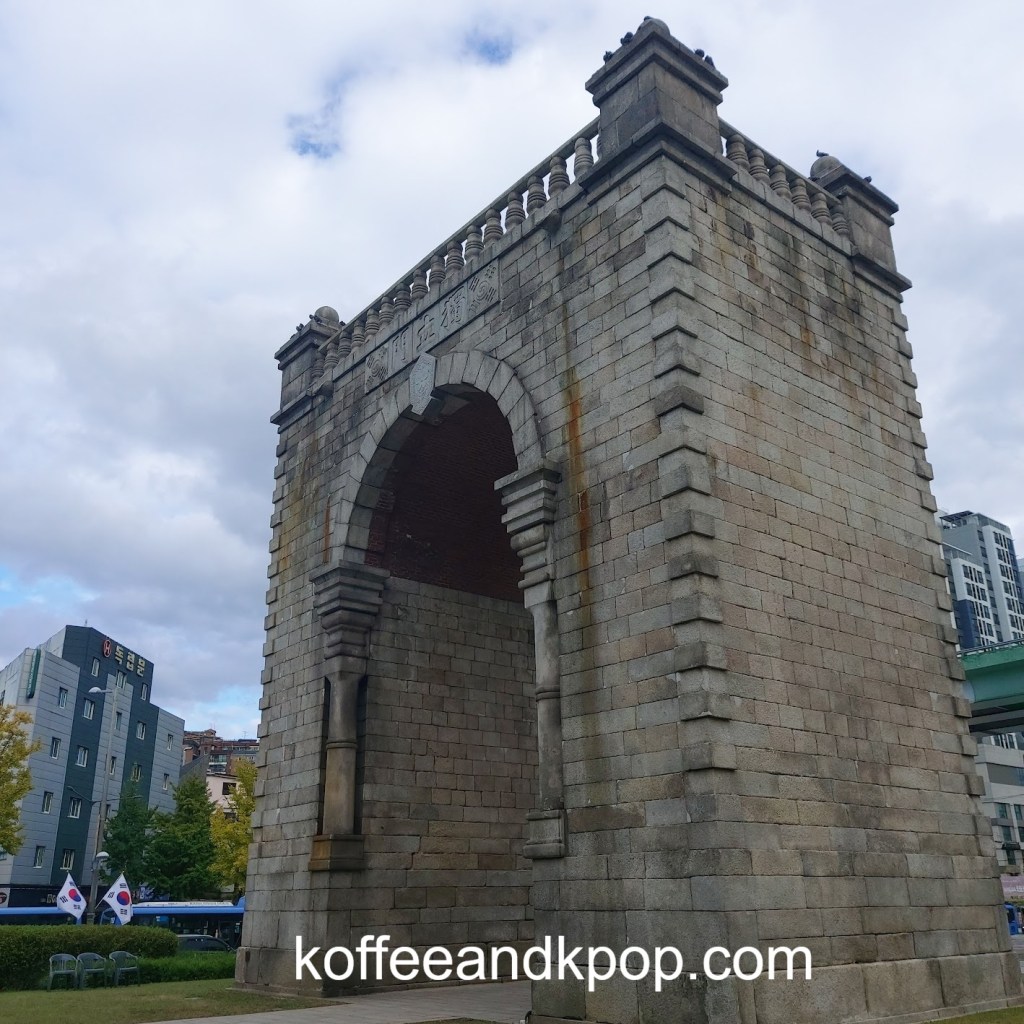
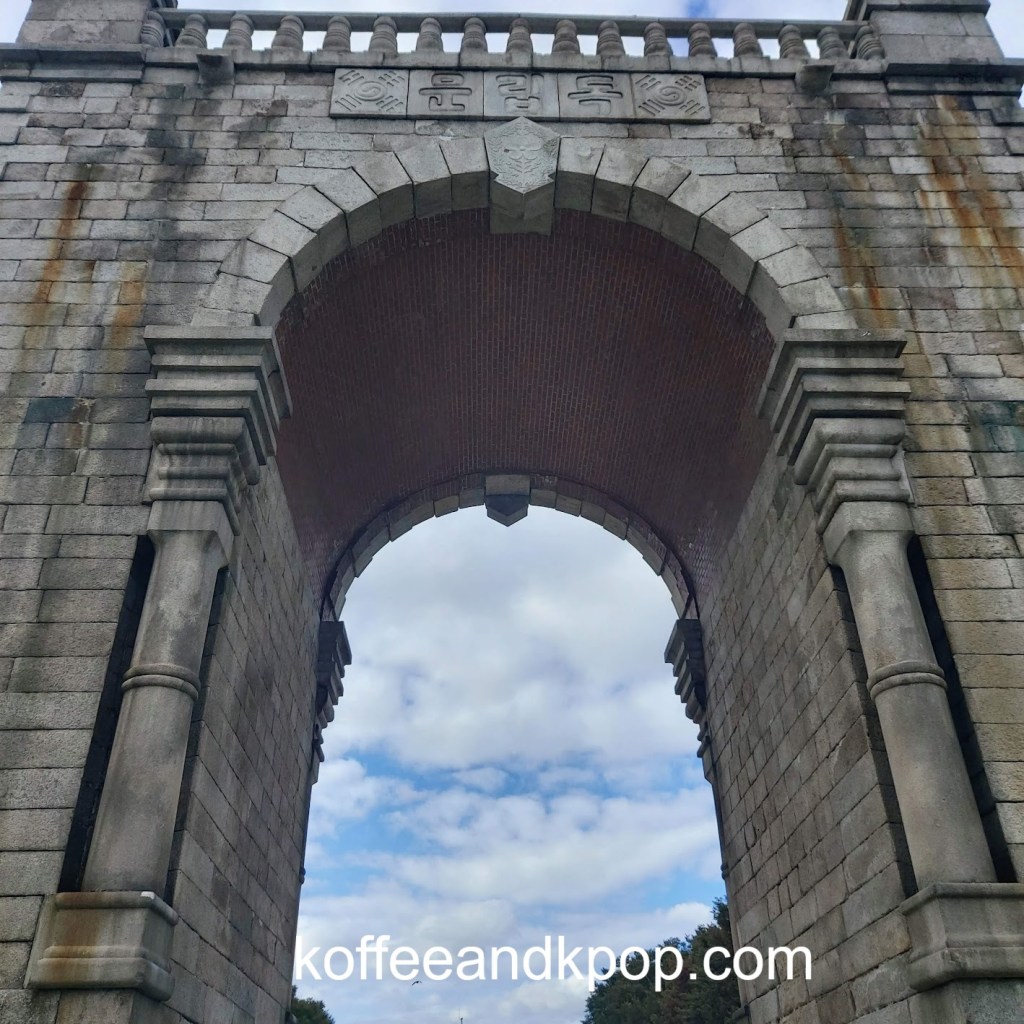
Built in January 1898 and designated as a historic site in 1963, Independence Gate or Dongnimmun 독립문, was proposed by Soh Jaipil 서재필 (or Seo Jaepil in another romanization).
It symbolizes the Joseon Dynasty’s end of being a tributary state of Qing China. It was built near the remains of the demolished Yeongeunmun 영은문, which had been built in the 16th century to welcome Chinese diplomats.
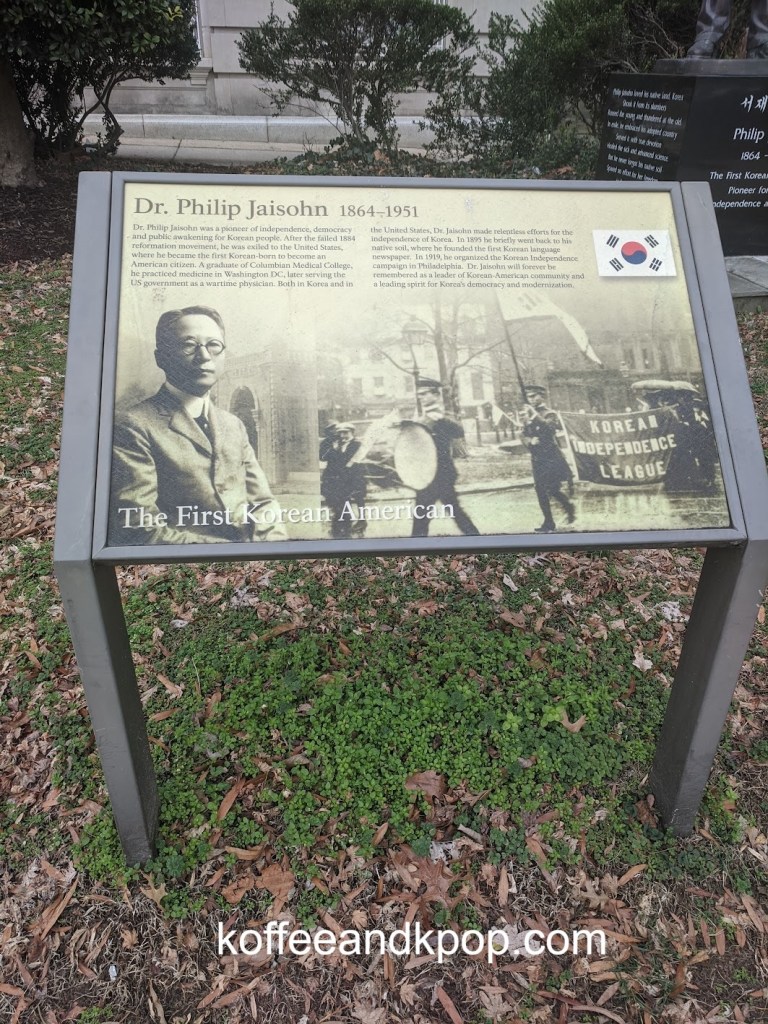
Soh Jaipil, better known as Philip Jaisohn, the first Korean to become a naturalized citizen of the US, making him the first “Korean American.” He also created the first Hangul-only newspaper in Korea’s history.
I took advantage of the nice weather and clean air to visit Dongnimmun properly, rather than merely looking at it from a passing bus window. Located in Seodaemun Independence Park, the day I went there were several small vendors with tents.
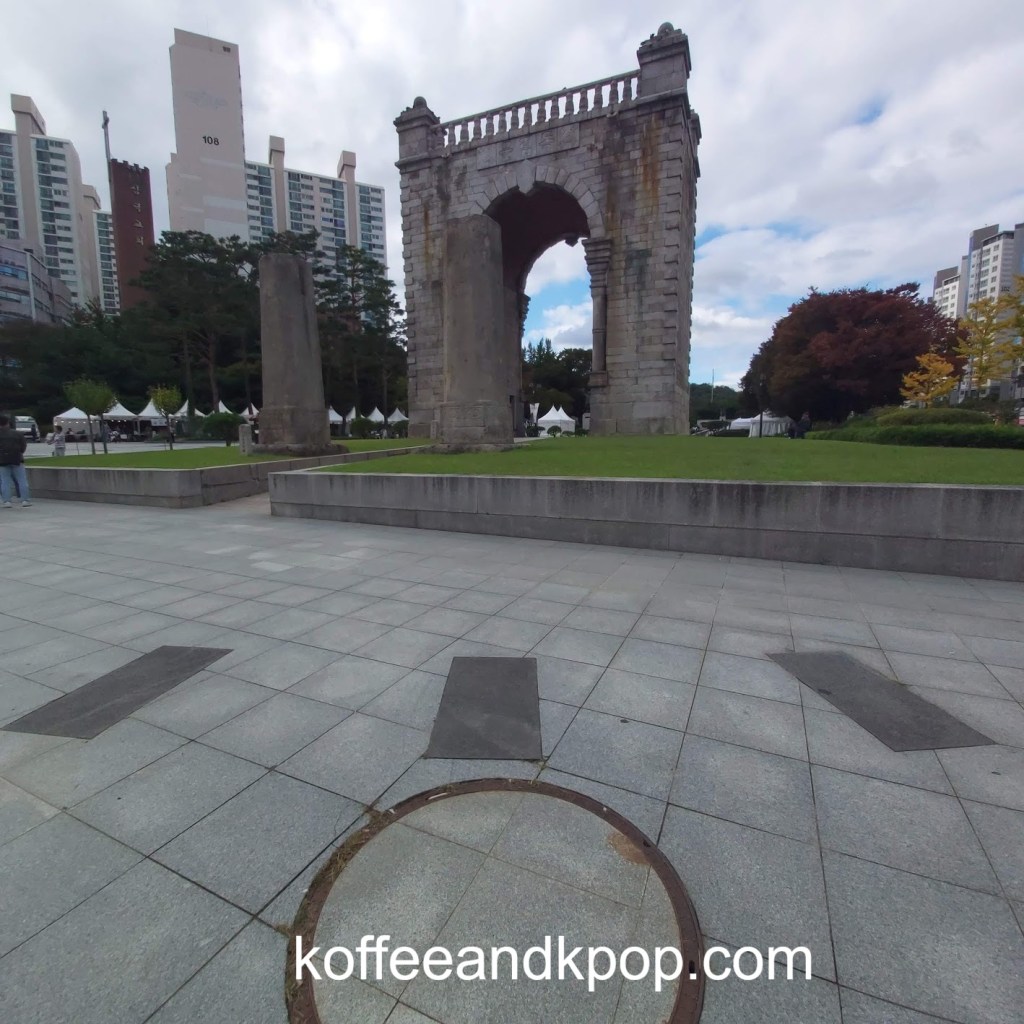
First, I stopped at Memorial of 3-1 Independence Declaration. Leading up to the memorial are plaques featuring raised foot imprints of those who initially gathered on March 1st to fight for Korean independence in 1919.
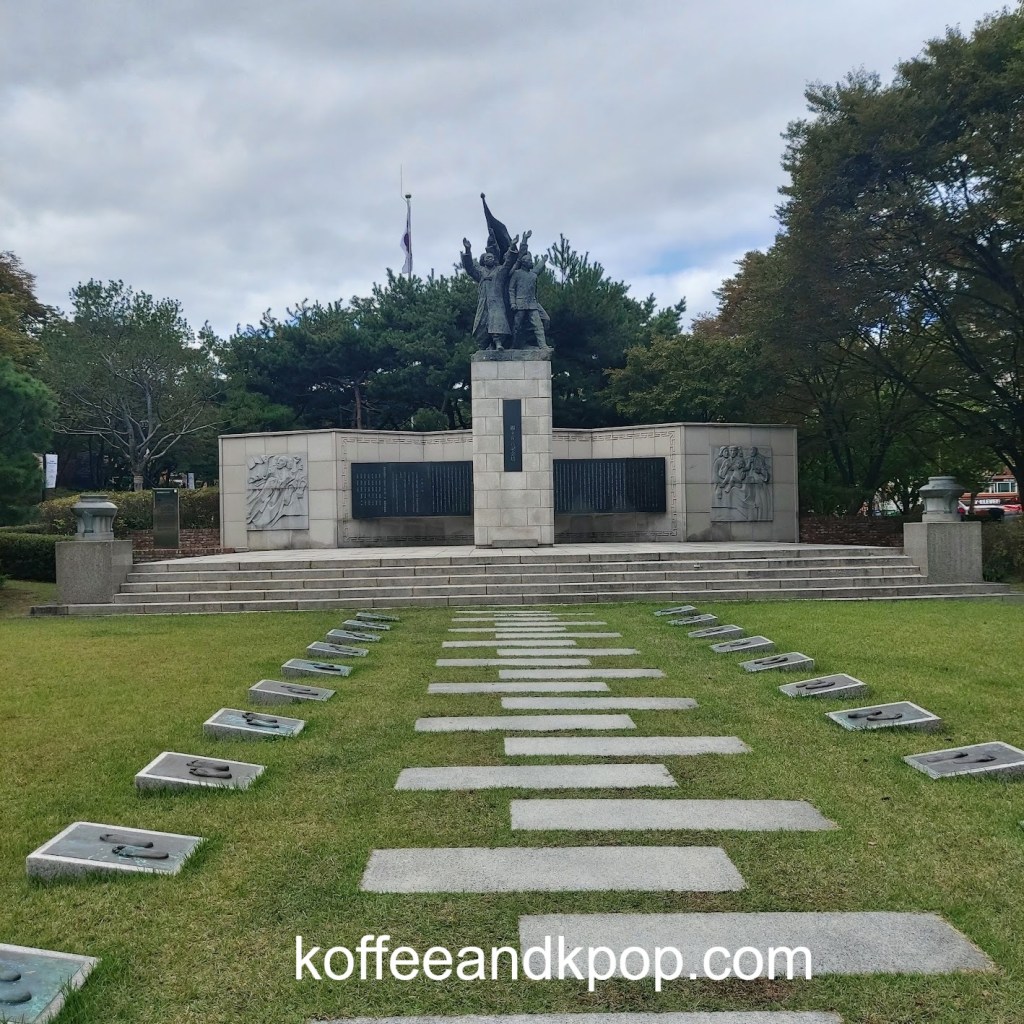


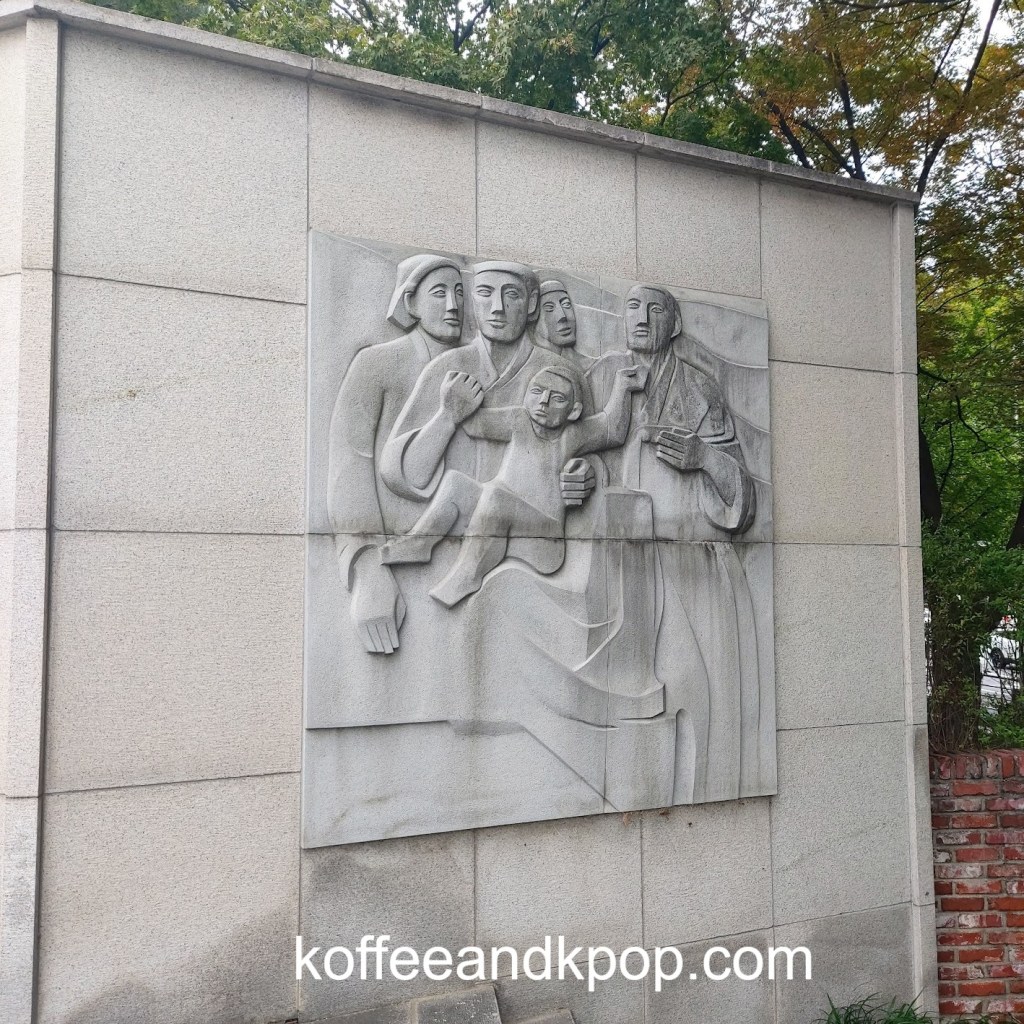

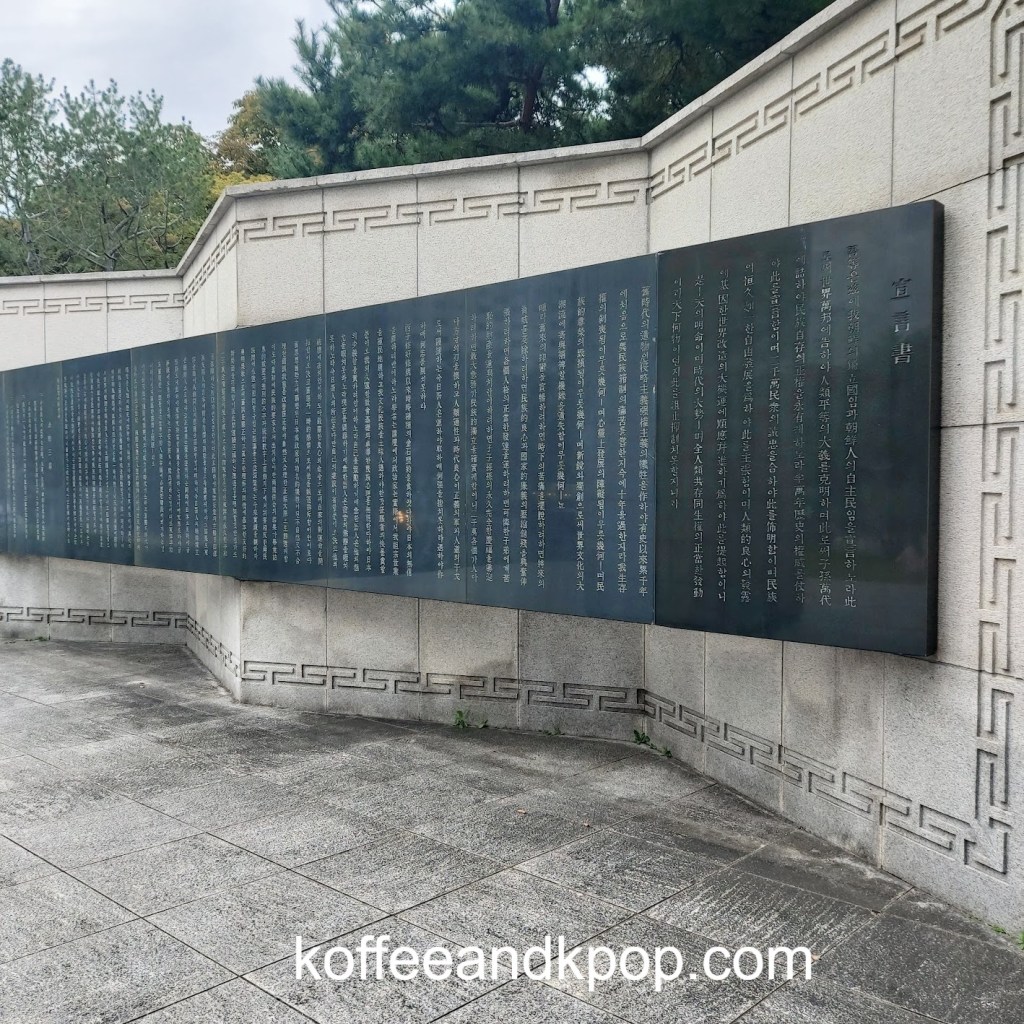


Then I visited Dongnimmun itself, a small but majestic granite gate. In front of Dongnimmun are the plinths of Yeongeunmun, or the remnants of Yeongeunmun.




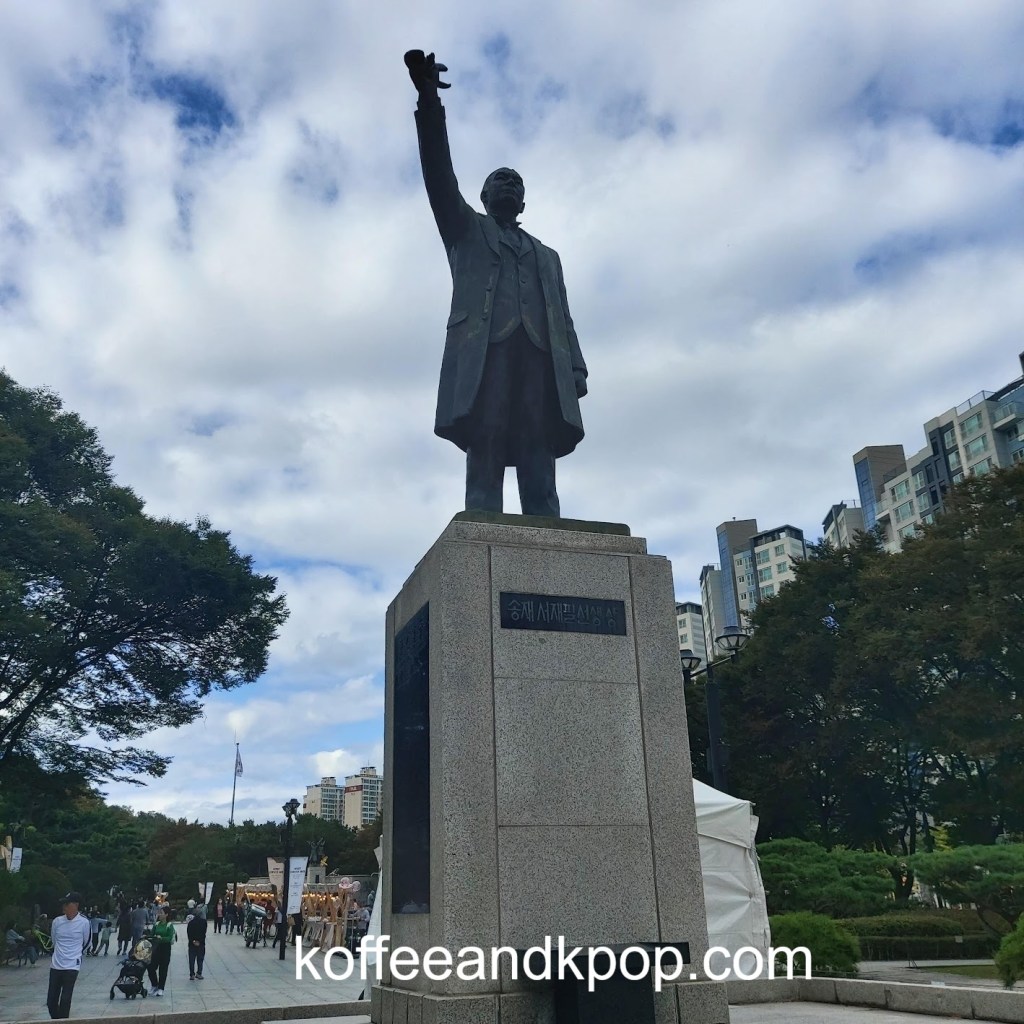
I stopped by Philip Jaisohn’s statue next, which is actually the second statue of his that I’ve visited.


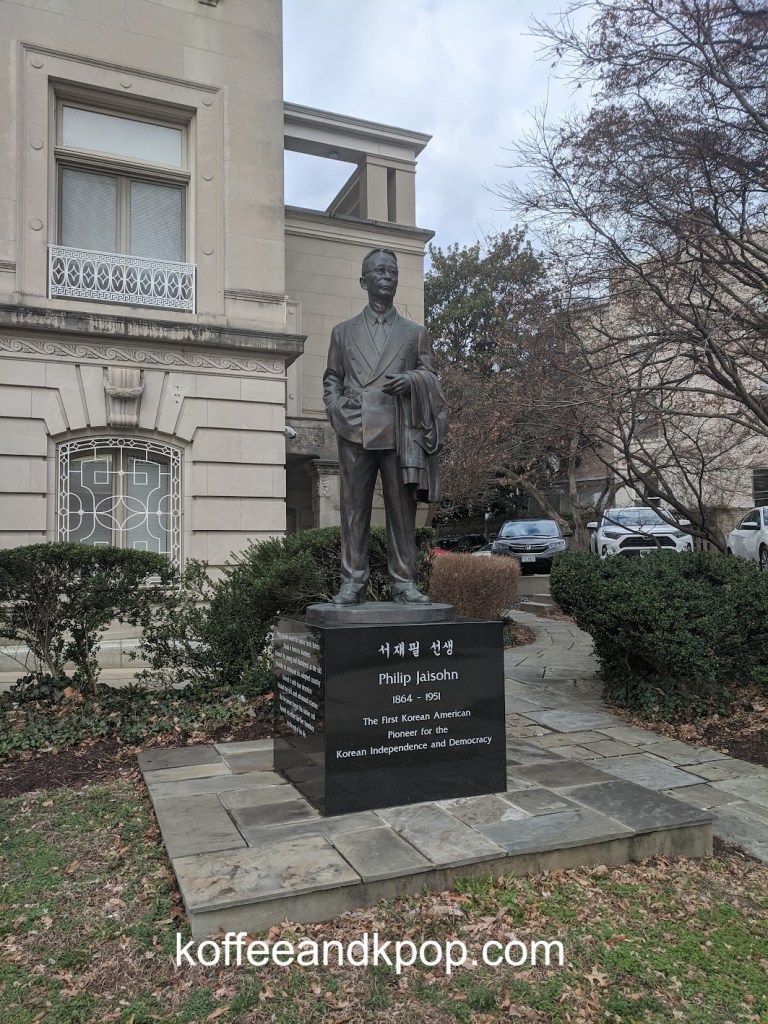
Below are photos of the statue of Dr. Philip Jaisohn outside the Korean Embassy (I believe?) in Washington, DC.
While I was wandering around, quite a few families with young children were playing around Dongnimmun and the memorial statues. While those children currently have no historical understanding of the site, it was a humbling experience to know that Korea fully realized its independence in the 19th century and these children are its future, able to play freely because of the sacrifices of those who came before them.


 Koffee & Kpop
Leave a comment