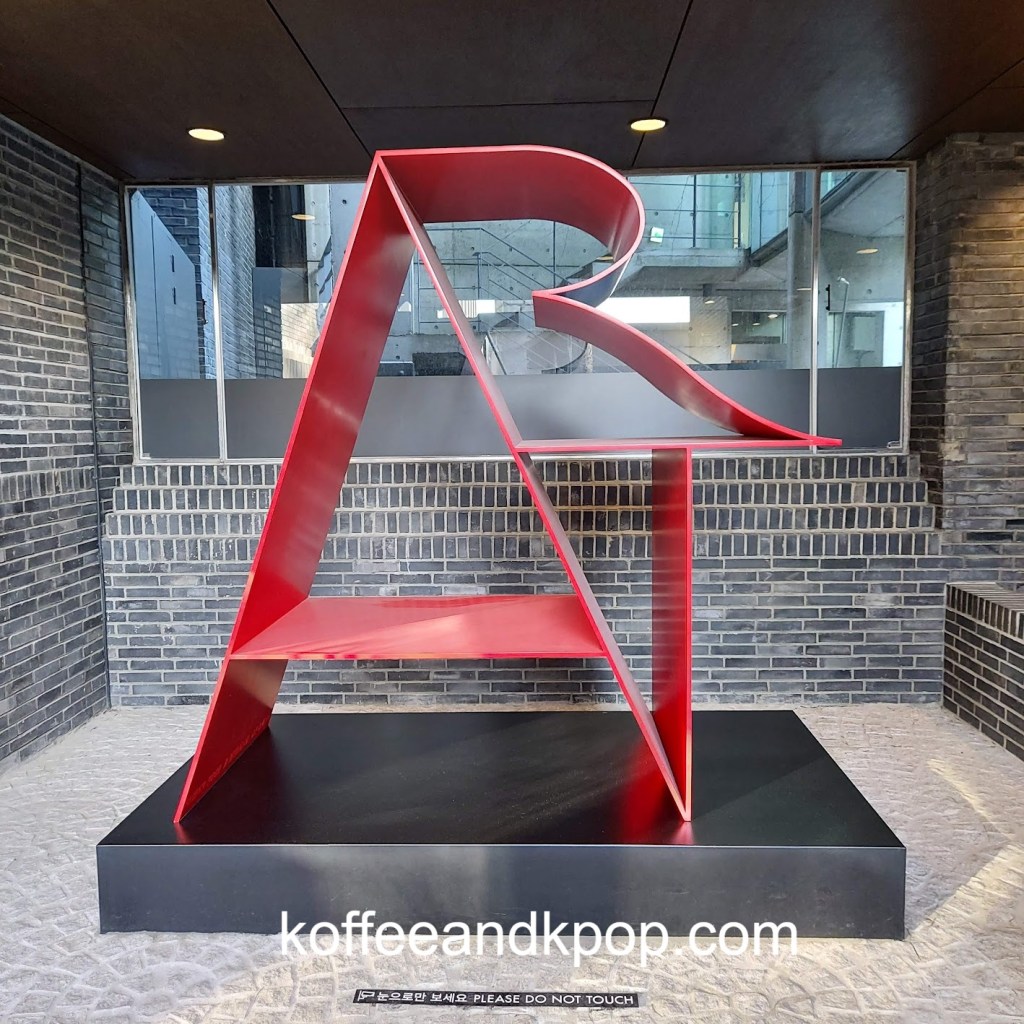
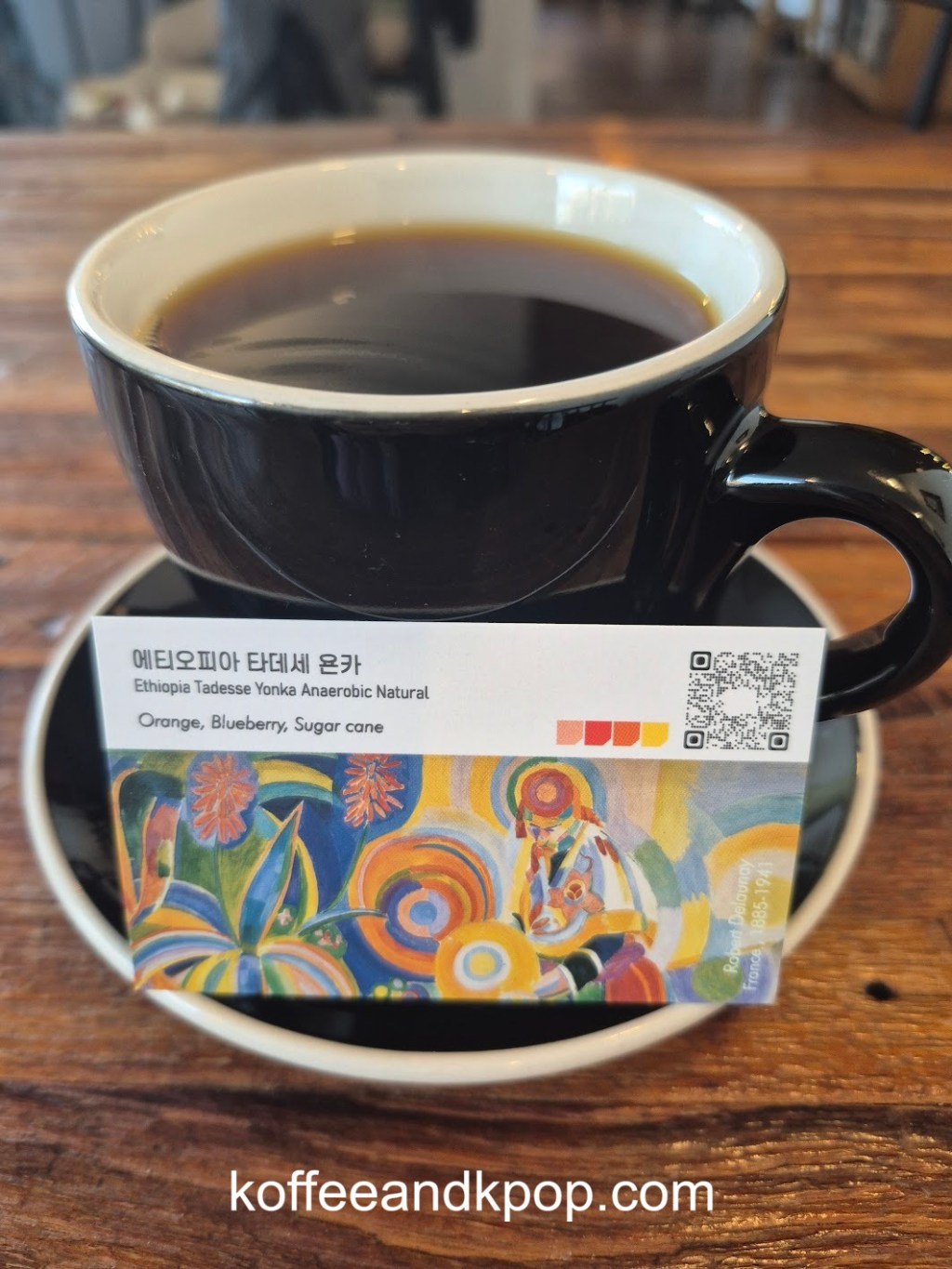
One of my favorite museums in Seoul is the Arario Museum in Space, a quirky modern art museum next to Fritz Coffee in Jongno. As I’ve told a few friends I’ve taken there, “it’s an experience” as you move through the museum in a disorienting and non-linear way. Don’t be deterred by the 15k won cost; it’s totally worth it, and you can decompress with a cup of good coffee afterwards at Fritz.


The first piece of art you’re greeted with is the neon display on the outside of the moss-covered building. It reads, “IF ALL RELATIONSHIPS WERE TO REACH EQUILIBRIUM THEN THIS BUILDING WOULD DISSOLVE” and it’s by British artist Liam Gillick. It “plant[s] the possibility for an equal ideal space that transcends all clashes, conflicts, or love on the facade of the museum.”

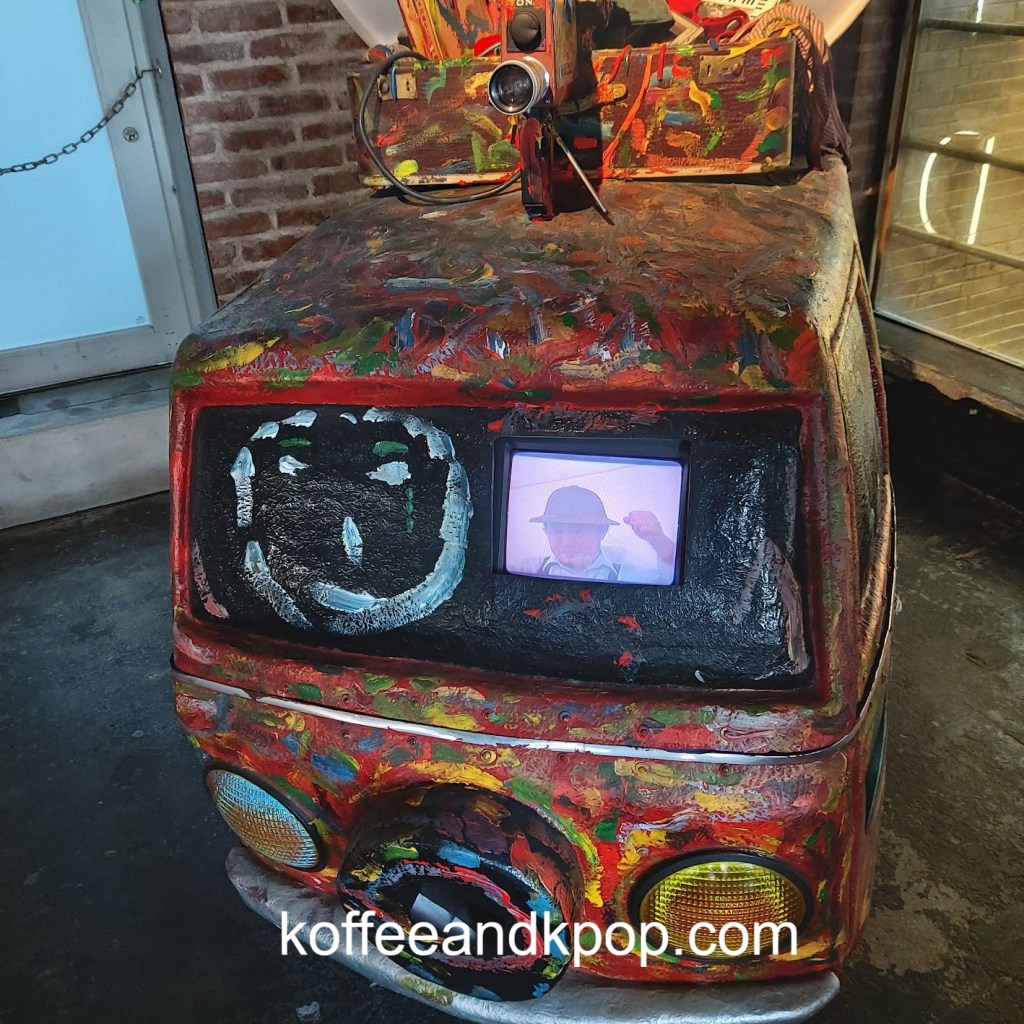
One of the first exhibits is one by Korea’s Nam June Paik, who has four pieces in the museum. My favorite was his piece entitled “No-mad” which was basically a little van covered in televisions, with a satellite dish on the back and a suitcase and camcorder on top. I was drawn to this piece because in the driver’s side of the windshield was a television playing a loop of Paik pretending to drive the van.
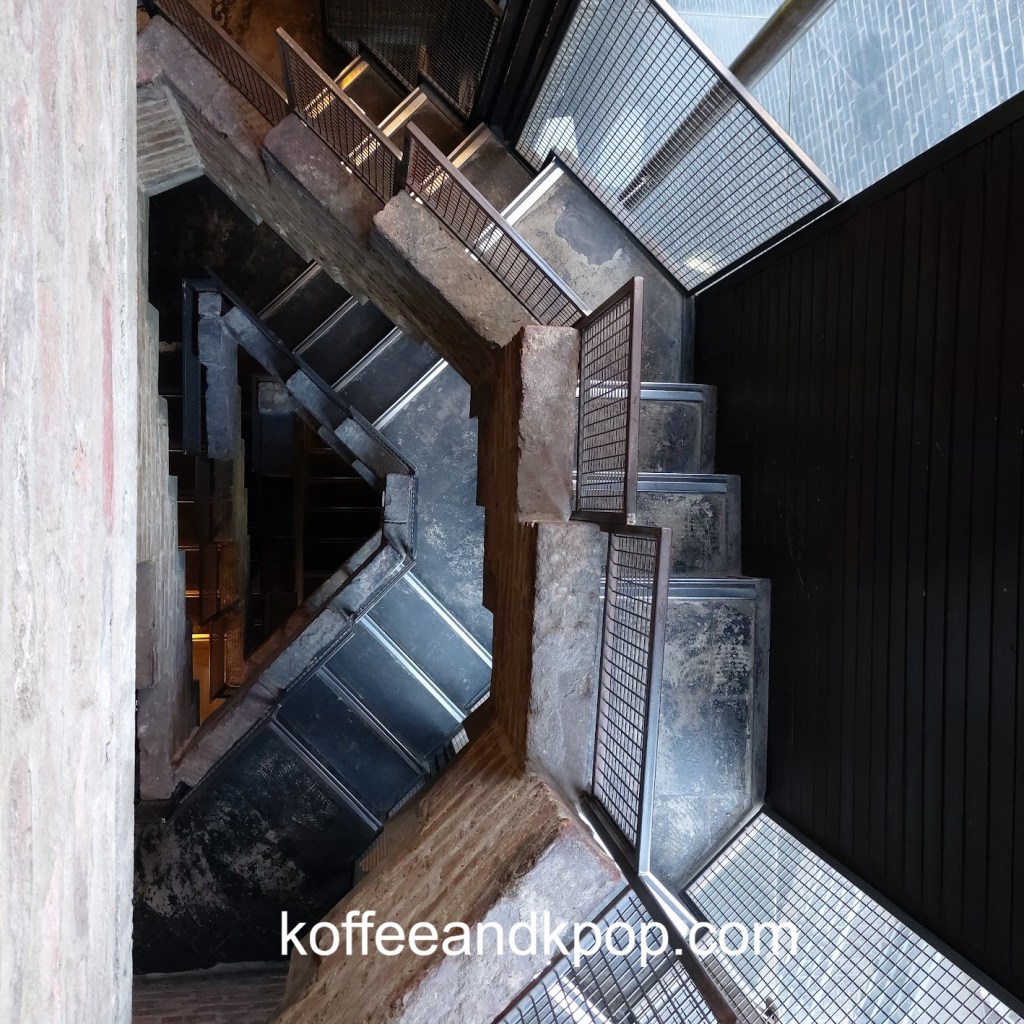
The next room is a kind of hole in the building where you can look up at the floor above. To access the third floor, you have to climb some non-linear steps which is, in itself, a kind of art performance as you are pulled through the museum by a mysterious force.


The next piece of artwork I was drawn to was the glowing red coffin designed by British artist Sarah Lucas. Several of the pieces on this floor spoke to the lived experiences of British artists. There was also an exhibit by the Indian artist Subodh Gupta, who could be seen in a video washing off cow manure on his body.

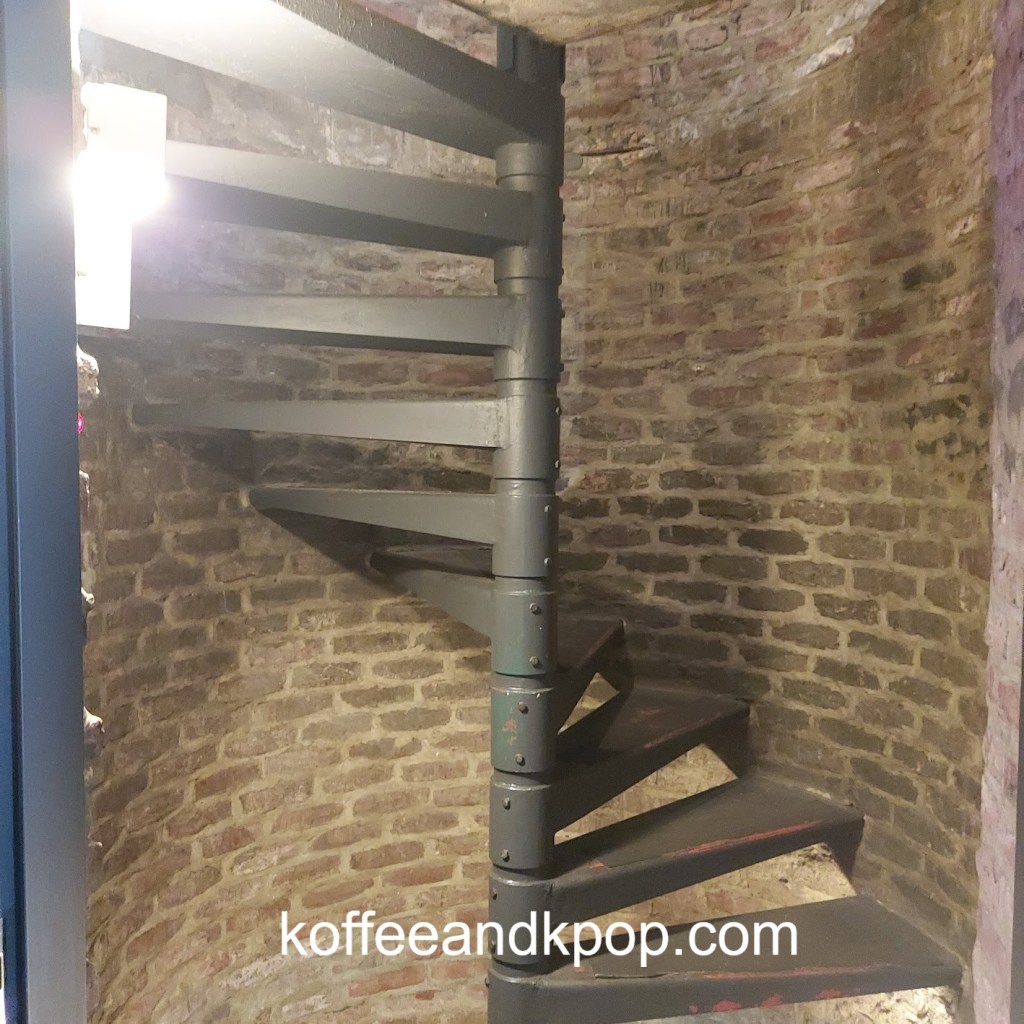


From here, to get downstairs again you have to walk down an enclosed spiral staircase that made you feel like you were somewhere you were not allowed to go.

My favorite exhibit in the museum was “Time in Blue No. 28” by Japanese artist Tatsuo Miyajima. Little blue numbers were flashing and counting down (up?) at different speeds in a black backdrop in a dark room, representing “the time of individual lives of all living organisms.” There is also no final zero because “the notion of nothingness does not exist in the concept of reincarnation in Buddhism.”
I always stand there for a long time while my friends wander the rest of the floor, staring at the flashing numbers and connecting them to lives of people. Some numbers flash quickly, and others slowly, and in a sense those of us with slower numbers can be said to be more privileged than those who meet their deaths earlier. Looking at the numbers, it makes you wonder at the pace your own number is going at, and how you don’t know if you’re at 3 or 7. Wondering if the number next to yours is someone you might have met, or someone you might never get a chance to meet at all.

My second favorite exhibit is Japanese artist Kohei Nawa’s “PixCell – Double Deer #7” which is two taxidermied deer covered in crystals that “disrupt the viewer’s cognition of the deer’s original form.” It is delightful as it is weird.
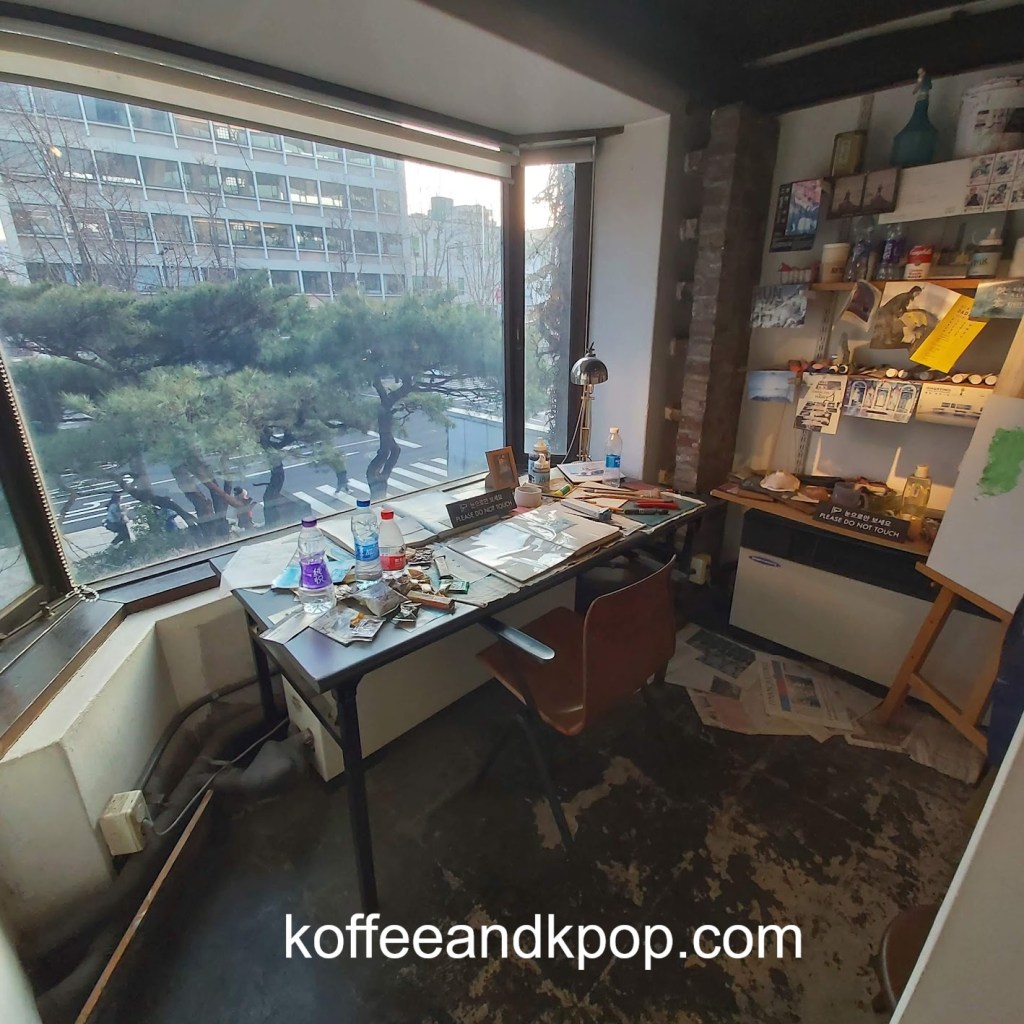
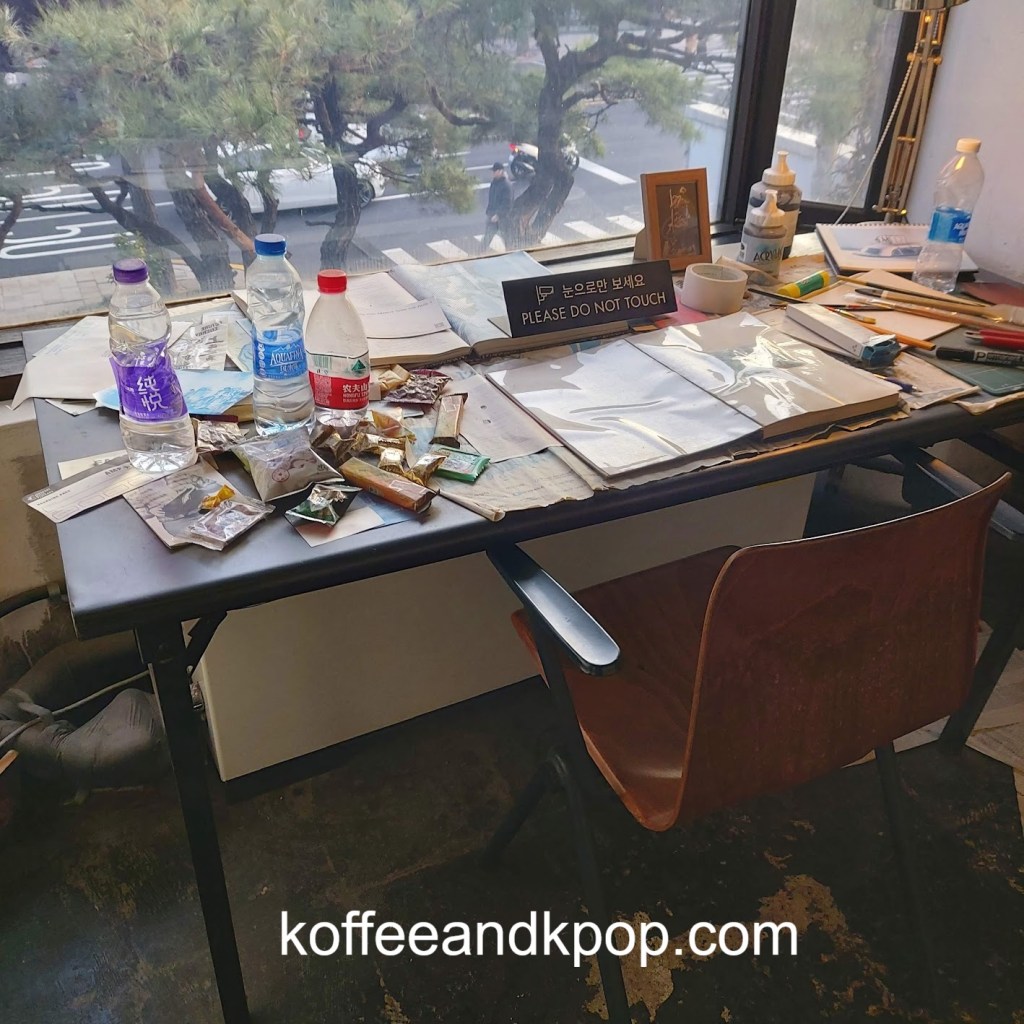


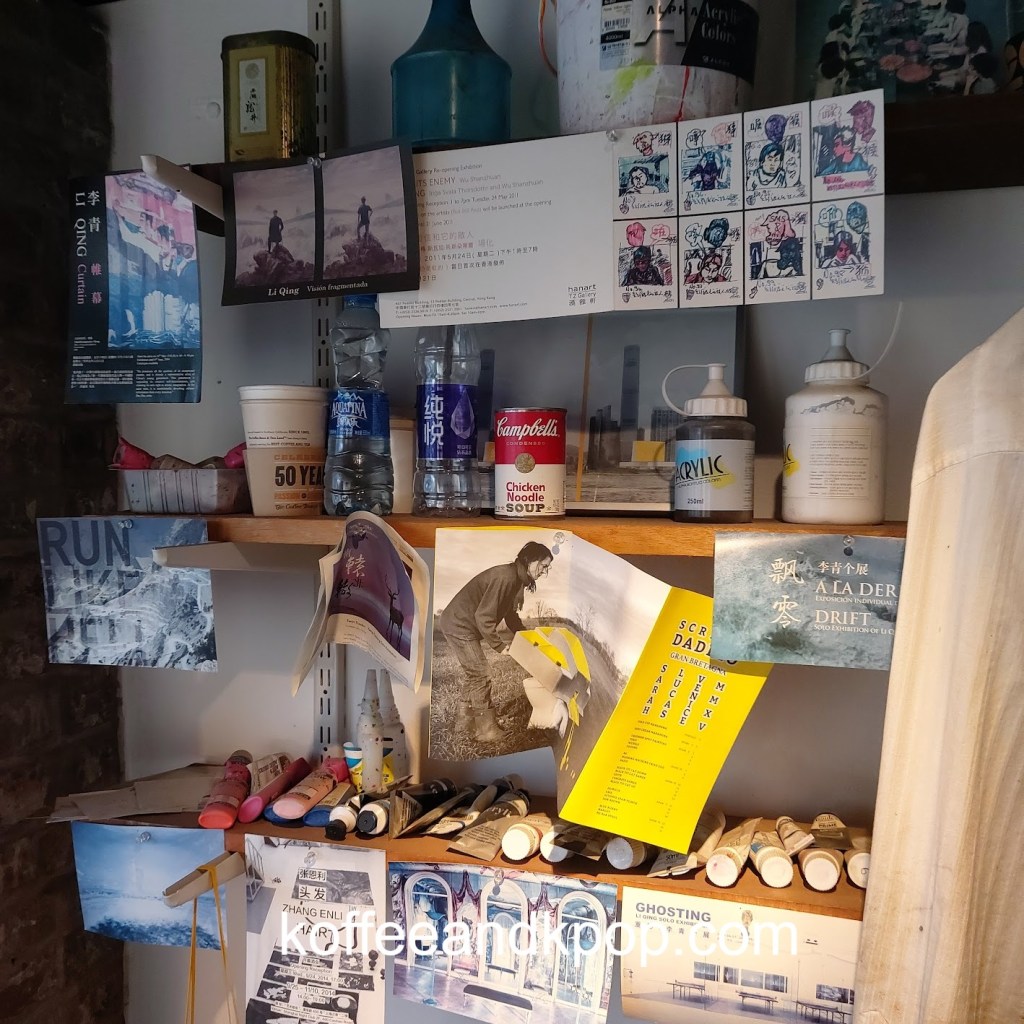

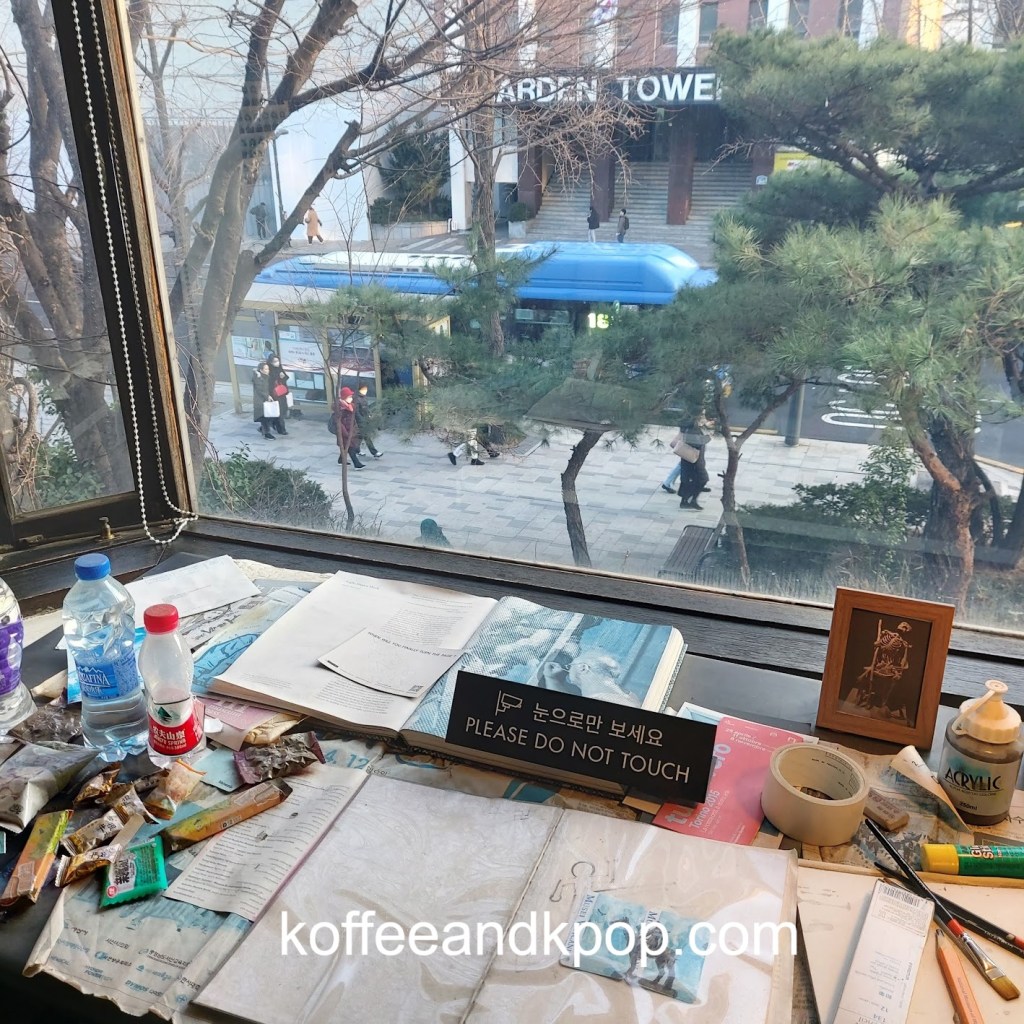
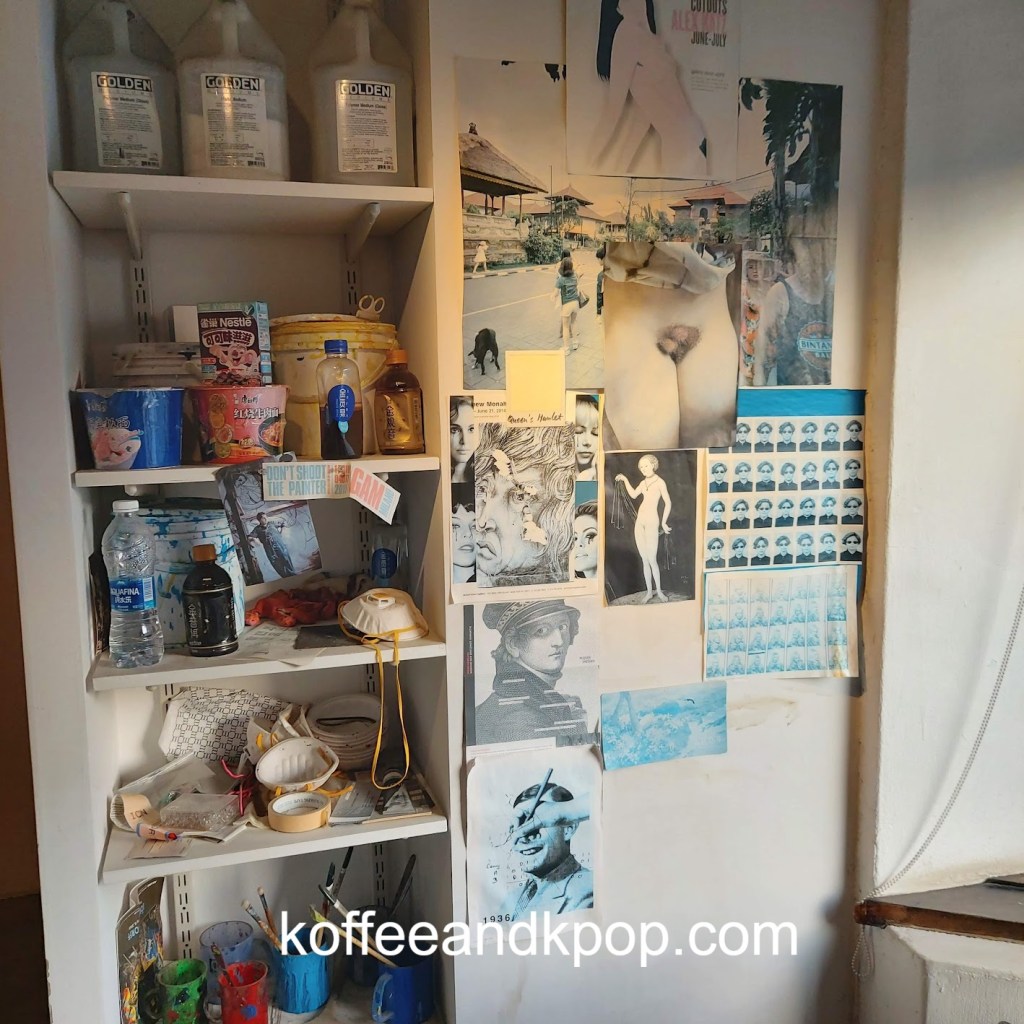

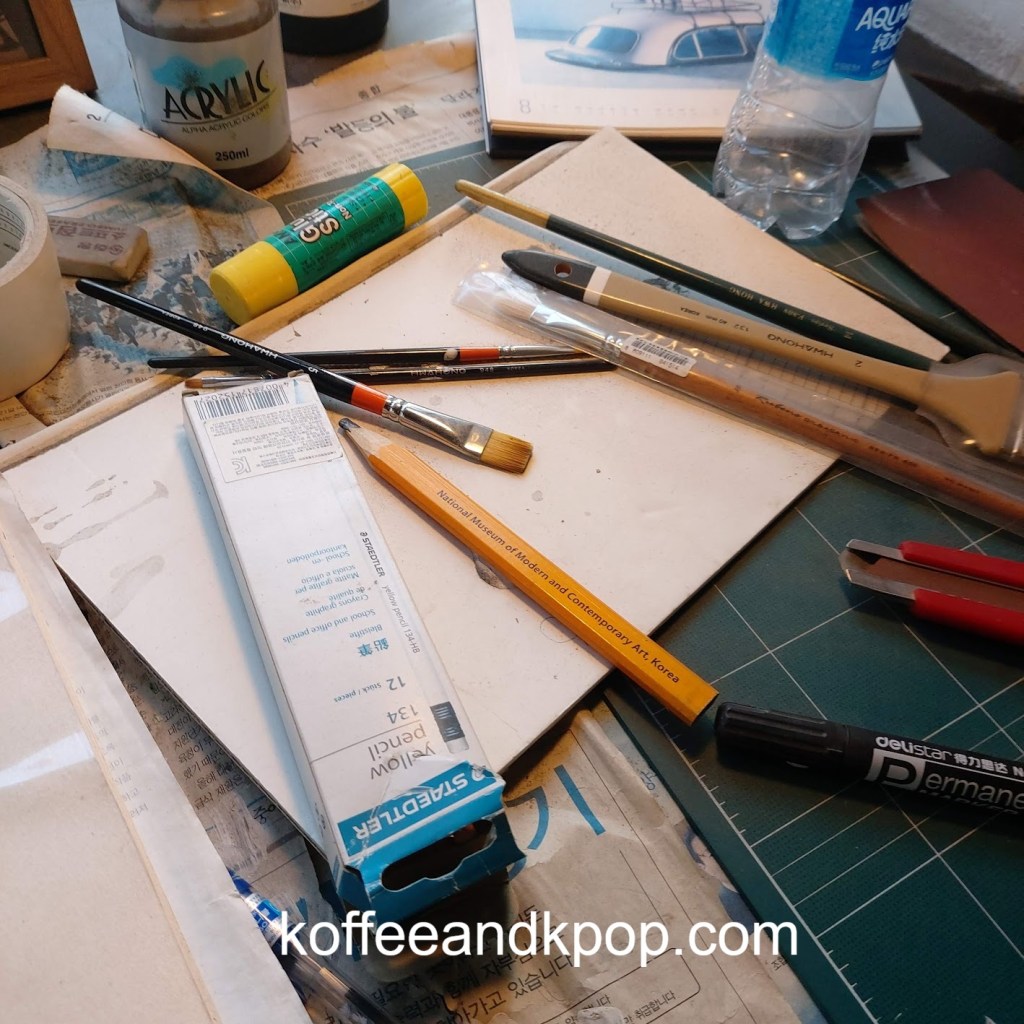
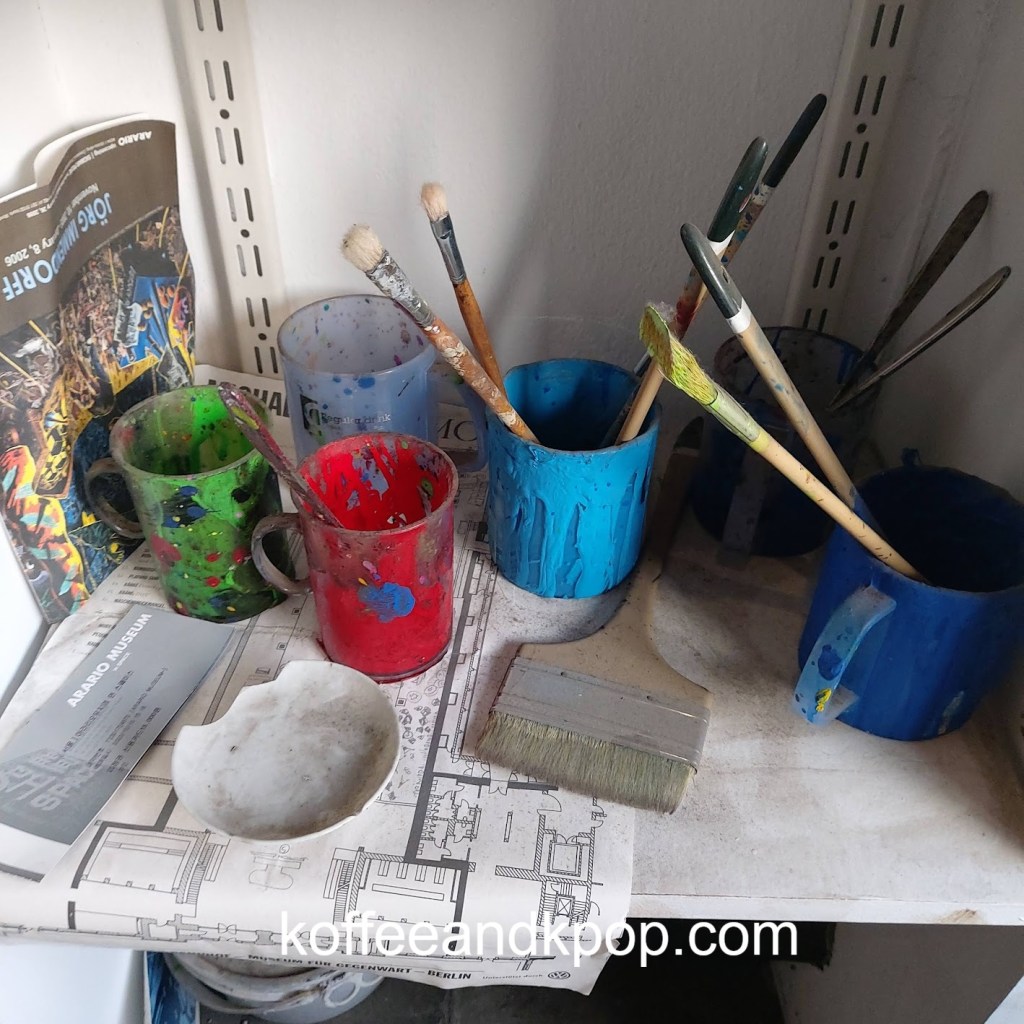


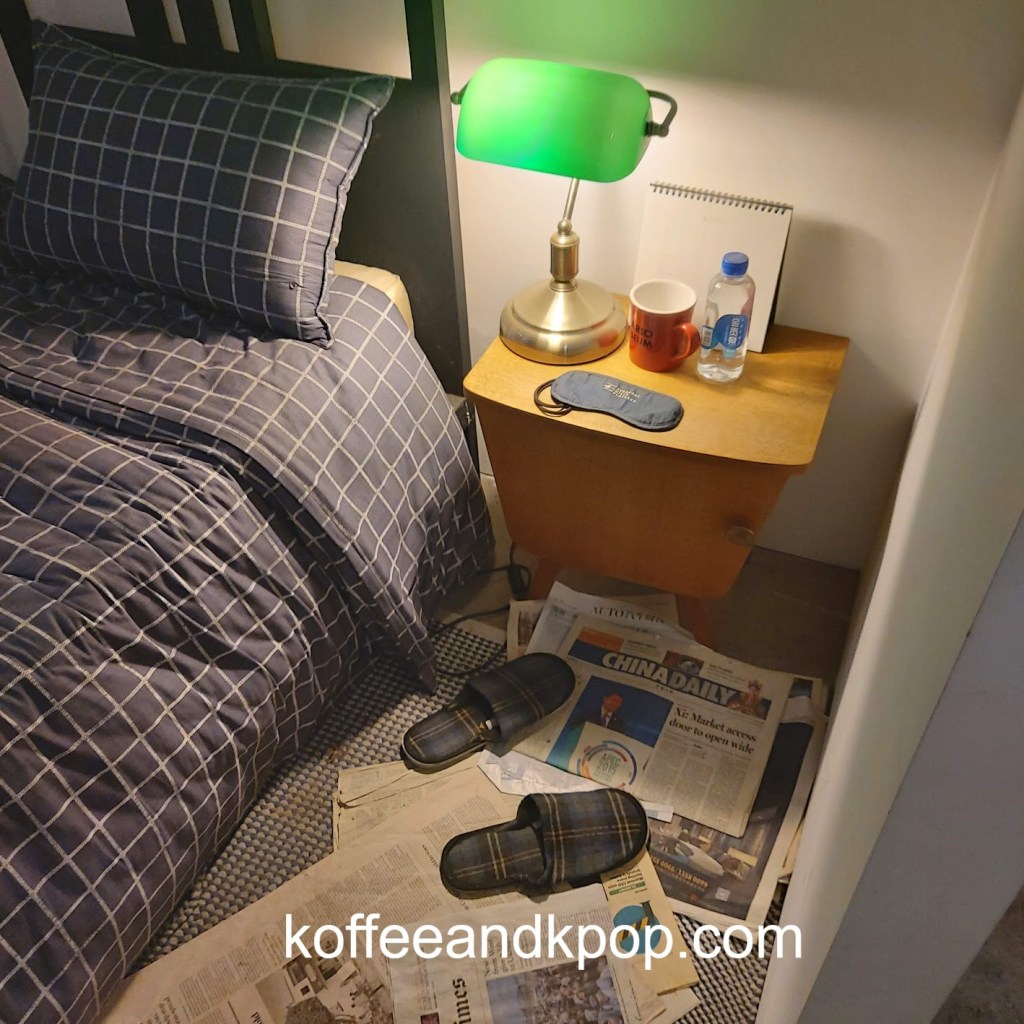


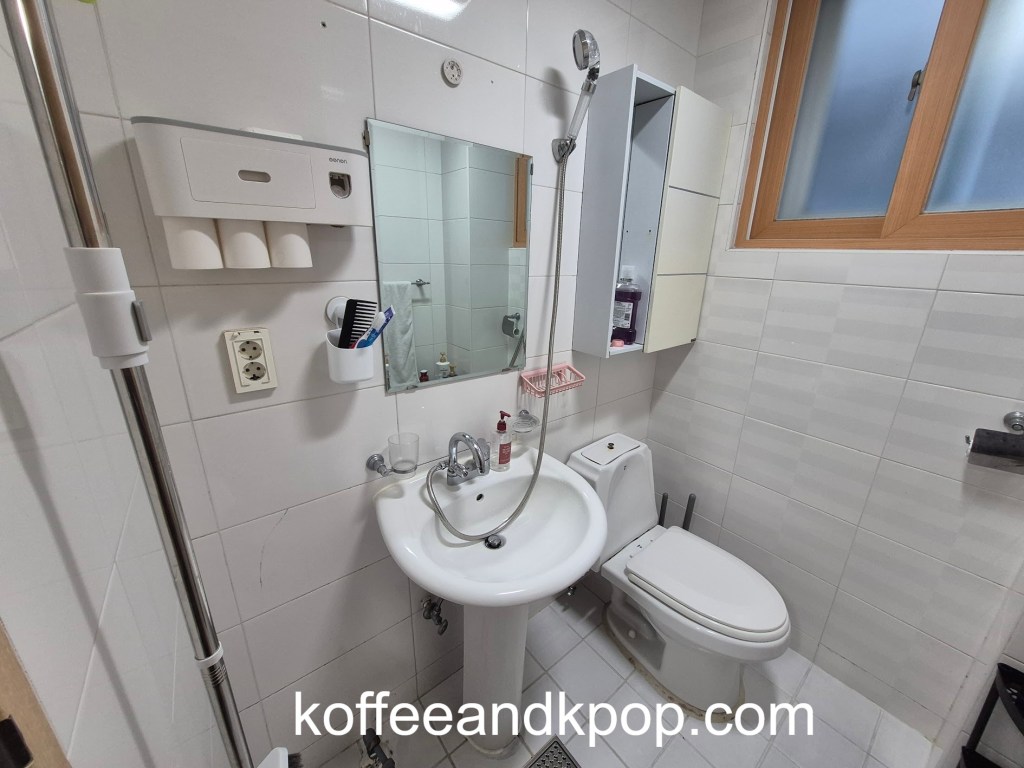
The last (and temporary) exhibit was pretty interesting as well. “MUSEUM in MUSEUM” by Chinese artist Li Qing featured “A Suite of Eight Rooms” where one could walk through 8 different rooms (bathroom, shower booth, karaoke room, dining room, bedroom, salon, study room, and studio) of an artist’s apartment. All of the paintings and photos inside the 8 rooms were created by Li Qing and the exhibit showcases both their identity as an artist as well as a more generalized look into an artist’s life.
Find out more by clicking here. They’re open Tuesday through Sunday, 10 to 19:00. Cost for adult admission is 15,000 won.





 Koffee & Kpop
Leave a reply to Sophie Poe Cancel reply